
GLP-1s & Training: Protecting Muscle, Bone, and Metabolism
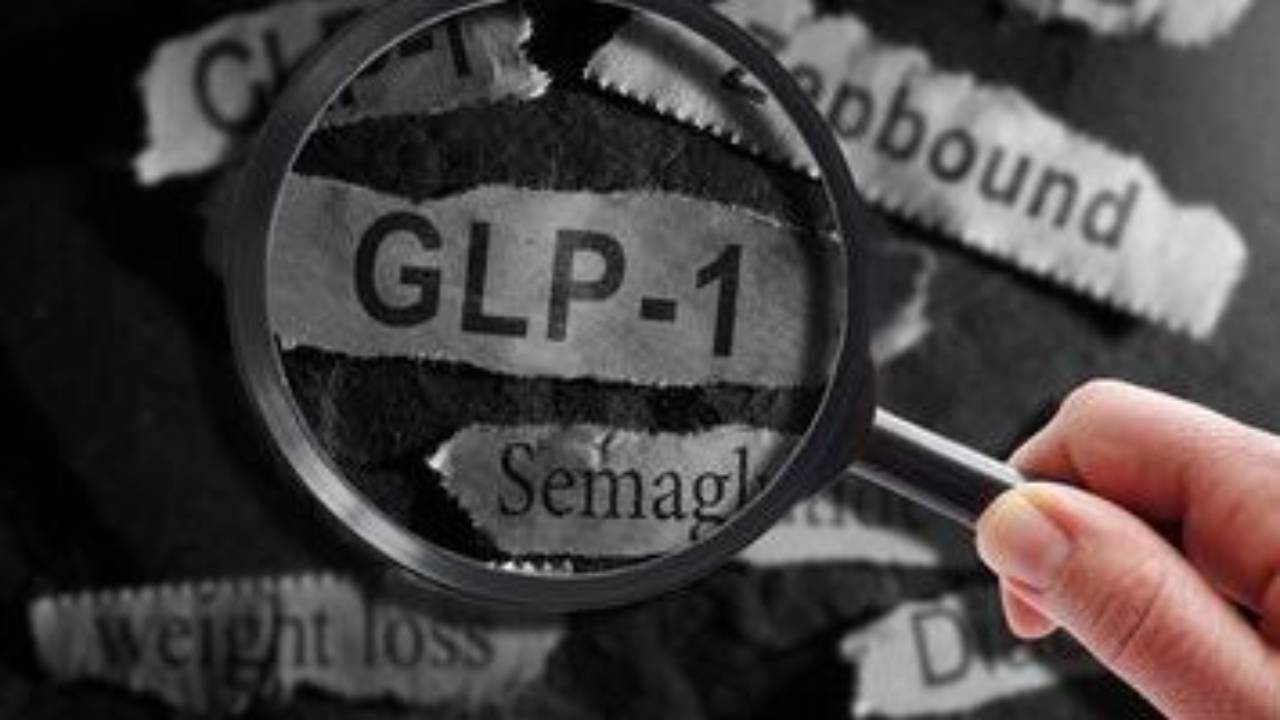
GLP-1–based medications (such as semaglutide and tirzepatide) have reshaped weight management. Clients commonly feel fuller on fewer calories and see rapid scale changes. The coaching challenge is what happens under the hood: appetite suppression, slower gastric emptying, and dips in day-to-day movement can make it easier to lose muscle and bone along with fat unless training and nutrition are dialed in. This guide turns current best practices into a plan you can apply immediately.
What changes on GLP-1s—and why it matters to training
Appetite & gastric emptying. With GLP-1s, smaller meals create longer-lasting fullness, and some clients experience mild nausea. That helps with a calorie deficit but can undermine protein intake and tolerance for large pre-workout meals because gastric emptying is delayed.
NEAT (non-exercise activity thermogenesis). This is the everyday movement outside of workouts—walking, chores, fidgeting. Some clients move less when appetite and energy dip; without guardrails, step counts tend to slide and overall expenditure drops.
Body composition. Most weight lost on GLP-1s is fat mass, but meaningful lean mass can be lost in any aggressive deficit unless resistance training and adequate protein are in place.
Bone health. Weight loss alone can nudge bone mineral density (BMD) down. Exercise—especially resistance and sensible impact or “bone-loading”—helps protect it.
Coaching translation: simplify the program, protect lean tissue first, and make daily movement automatic.
The strength-first plan (minimums that move the needle)
Frequency: 2–3 full-body sessions per week.
Patterns per session (choose 4–6):
- Squat or split-squat
- Hinge (RDL/hip hinge)
- Horizontal push (press)
- Vertical push (overhead or landmine press)
- Horizontal pull (row)
- Vertical pull (pulldown or assisted pull-up)
Dosage: 2–3 hard sets per pattern, 6–12 reps, RPE 7–9, 60–90 seconds rest.
Tempo: include at least one slower eccentric set (about 3 seconds down) per exercise; keep the concentric crisp.
Progression: when the top of the rep range is solid, add a small load or one rep next session.
Optional finisher (6–10 minutes): carries, sleds, or easy cyclical intervals at “comfortably hard.”
Why this works: Resistance training plus sufficient protein is the highest-ROI way to preserve lean mass during energy deficit. The plan above keeps weekly time cost low while delivering enough tension, volume, and progressive overload to maintain or improve strength.
Timing and tolerance
Because GLP-1s slow gastric emptying, many clients prefer training when the stomach is relatively empty and on days when nausea is milder. Encourage experimentation across the injection cycle and keep pre-workout snacks small and simple.
Keep NEAT alive (and effortless)
Low appetite can mean lower drive to move. Set a baseline step goal (the client’s current seven-day average plus 1,000–2,000 steps) and staple in micro-habits:
- 5-minute walk after meals
- Stand or pace on phone calls
- Park one aisle farther
- Stairs by default on short climbs
These protect daily energy expenditure, joint mobility, and mood with minimal friction.
Protein targets clients actually meet
In a deficit, higher protein intakes better preserve lean mass—especially with lifting.
- Daily target: roughly 1.6–2.2 g/kg body weight
- Per meal: around 0.4–0.55 g/kg across 3–4 meals (even distribution beats back-loading)
- Easy proteins when appetite is low: Greek yogurt or skyr, cottage cheese, eggs/egg whites, tofu/tempeh, fish, lean meats, or a quality protein shake
- “Protein-first” small meals: shake + fruit; yogurt + a couple of dates + almonds; cottage cheese + berries
- Use liquids when solids feel heavy; sip slowly. Hit the minimum per meal, then add carbs/fats to appetite.
For clients with type 2 diabetes: coordinate nutrition targets with the care team; your role is execution and adherence coaching.
Creatine: small scoop, big return
Creatine monohydrate (3–5 g/day) is one of the safest, best-studied tools to support training quality and lean mass during weight loss. No loading phase is necessary. Encourage consistent daily intake, paired with any meal. If clients worry about “water weight,” clarify it’s intracellular in muscle and performance-helpful—not cosmetic bloat.
Bone-health guardrails (scalable)
Protecting bone during weight loss doesn’t require pounding plyometrics. Think progressive loading that meets the client where they are.
Entry level: brisk walking, loaded carries, step-ups; heel raises; isometric mid-thigh pull with a strap.
Build-up: goblet squats, trap-bar deadlifts (light-to-moderate), split-squats; short hill walks; low-amplitude pogo jumps or brief jump-rope bouts when appropriate.
Nutrition basics: ensure calcium and vitamin D needs are met via food first; supplement per clinician guidance. Exercise combined with GLP-1 therapy is more protective for bone than medication alone at similar weight loss.
Fueling & recovery when the stomach says “not now”
Because gastric emptying is slower, big meals near training can backfire. Keep it simple:
- 60–90 minutes pre: modest carb + protein (toast + egg; yogurt + berries; small shake)
- 15–30 minutes pre (only if needed): a small carb bite that sits well (half banana; a couple of dates)
- Post (within 1–2 hours): prioritize protein; add carbs to appetite. If solids are unappealing, go liquid.
- Hydration: nausea can reduce fluid intake; keep water handy and use electrolyte beverages around workouts when needed.
If GI symptoms are persistent (for example, repeated vomiting or severe fullness hours after eating), scale the session down and advise the client to speak with their prescriber about dose timing or adjustments.
Two simple weekly templates
Option A: Two-Day Strength + NEAT
- Day 1: Full-body (squat, hinge, push, pull, core) ~45 minutes
- Day 2–3: Steps to goal + 10–15 minutes mobility
- Day 4: Full-body (split-squat, RDL, vertical press, row, carries) ~45 minutes
- Day 5–7: Steps to goal; optional easy intervals (6–8 × 30–45 seconds on bike/rower)
Option B: Three-Day Strength (short sessions)
- Day 1: Full-body A
- Day 2: Full-body B
- Day 3: Full-body A (alternate A/B weekly)
- Most days: Steps to goal + 5–10 minutes mobility
Pick the smallest plan your client can complete during low-appetite weeks; scale up later.
Red flags & referral (protect your scope)
Refer back to the medical team if you see persistent vomiting or severe GI distress; dizziness/near-syncope; unintended rapid strength loss or functional decline; signs of low energy availability (for example, excessive fatigue or menstrual irregularities); concerning bone history or new bone pain. Your job: adjust training stress, keep nutrition practical, and collaborate—don’t manage medications.
Progress you can prove (simple scoreboard)
Track what clients can control and what actually changes their body:
- Strength: 5-rep loads on a lower-body lift (squat or leg press), a press, and a row
- Girths: waist and hip every 2–4 weeks
- Steps: rolling 7-day average
- Session RPE: keep most working sets at 7–9; note outliers
- Appetite & nausea ratings: quick 1–5 scales in the training log
If weight drops quickly while strength stalls and protein is consistently low, intervene: add a rest day, raise protein, and confirm they’re hitting the minimum effective lifting volume.
What’s emerging vs. what works now
You’ll see headlines about add-on strategies to protect muscle during GLP-1–assisted weight loss. Consider them interesting but not essential. The highest-confidence tools remain unchanged: lift 2–3 days/week, hit protein minimums, keep NEAT up, hydrate, consider creatine, and scale impact sensibly for bone.
Sources
- Wilding JPH et al. Once-Weekly Semaglutide in Adults with Overweight or Obesity. New England Journal of Medicine. 2021.
- Jastreboff AM et al. Tirzepatide Once Weekly for the Treatment of Obesity (SURMOUNT-1). New England Journal of Medicine. 2022.
- Jensen SBK et al. Bone Health After Exercise Alone, GLP-1 Receptor Agonist, or Their Combination in Weight Loss: Randomized Clinical Trial. JAMA Network Open. 2024.
- Jalleh RJ et al. Clinical Consequences of Delayed Gastric Emptying With GLP-1–Based Therapies. Journal of Clinical Endocrinology & Metabolism. 2025.
- Helms ER et al. Dietary Protein During Caloric Restriction in Resistance-Trained Athletes: Systematic Review. Sports Medicine. 2014.
- Longland TM et al. Higher vs Lower Protein During an Energy Deficit With Exercise: Randomized Trial. American Journal of Clinical Nutrition. 2016.
- Morton RW et al. Protein Dose and Lean Mass: Systematic Review and Meta-analysis. British Journal of Sports Medicine. 2018.
- Kreider RB et al. International Society of Sports Nutrition Position Stand: Creatine. Journal of the International Society of Sports Nutrition. 2017.
- Levine JA. Non-exercise Activity Thermogenesis (NEAT). Best Practice & Research Clinical Endocrinology & Metabolism. 2002; follow-up review 2004.
If you're enjoying this article and want to take your learning further, purchase the exam to earn 1 CEU credit. Credits are awarded upon passing the exam—keep growing and stay ahead in your fitness career!
