
The Exercise-Gut Axis
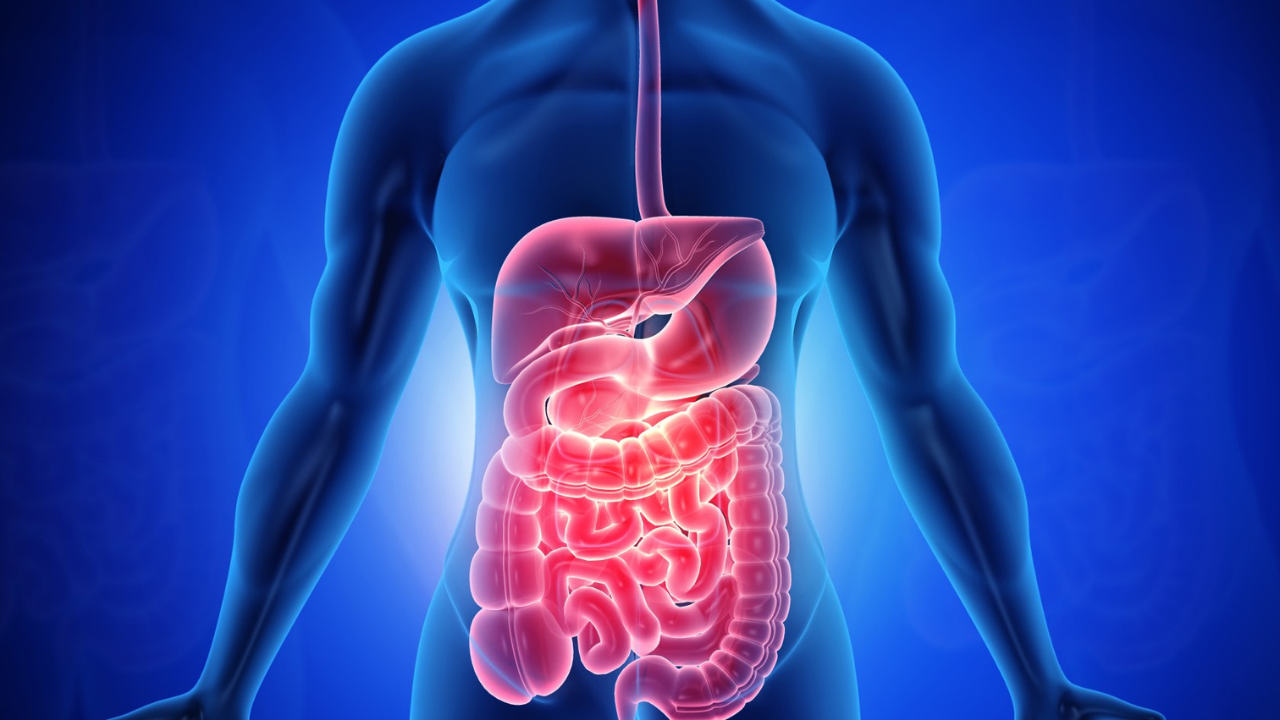
How Internal Fluid Dynamics and Physical Movement Shape Your Digestion
Most health and fitness enthusiasts are well aware of the metabolic and cardiovascular benefits of exercise. We track our target heart rates, optimize our macronutrient intake, and monitor our muscle recovery metrics. However, an entirely separate, invisible world of physical and chemical mechanics are triggered within our digestive systems every time we lace up our running shoes or lift a barbell.
The relationship between physical exertion and digestion is often oversimplified as a generic connection to the "gut microbiome." In reality, exercise exerts intense, direct physical and physiological forces on our internal organs. This process relies on a complex network called the exercise-gut axis. Two primary physical forces drive this axis during exercise: splanchnic ischemia, which is the redirection of blood flow away from the gut, and visceral shear stress, which is the mechanical movement and sloshing of internal organs.
Understanding the biomechanics of how exercise alters your gut motility, changes your intestinal tissue, and shapes your internal ecosystem allows you to train your gut just like any other muscle. This knowledge can help you maximize your athletic performance and completely avoid mid-workout digestive emergencies.
Splanchnic Ischemia and the Leaky Gut Phenotype
When you begin an intense workout, your skeletal muscles, heart, and skin demand an immediate surge of oxygenated blood and nutrients to support movement and regulate body temperature. Because your body contains a fixed volume of blood, it must dynamically redirect resources from non-essential systems to meet these heightened peripheral demands.
The primary donor for this blood redirection is your splanchnic circulation, the specialized vascular network that supplies blood to your stomach, liver, pancreas, and intestines. During high-intensity intervals or prolonged endurance activities, your sympathetic nervous system triggers massive vasoconstriction of the splanchnic arteries. This process, known as splanchnic hypoperfusion, can reduce total blood flow to your digestive organs by up to 80 percent.
This sudden drop in blood supply deprives the sensitive cells lining your gut of oxygen, creating a state of transient gastric ischemia. Without adequate oxygen, the epithelial cells lining your intestinal tract face rapid energy depletion. These epithelial cells are bound tightly together by complex protein structures called tight junctions, primarily composed of claudin and occludin proteins, which serve as your body's cellular gatekeepers. They allow helpful nutrients to pass into your bloodstream while blocking harmful pathogens and toxins.
When exercise-induced ischemia starves these cells, the tight junctions begin to destabilize and pull apart, resulting in transient intestinal permeability, commonly referred to as leaky gut. This structural breakdown allows tiny bacterial fragments, known as lipopolysaccharides, to escape the gut and slip into your general circulation. Once in the bloodstream, these fragments trigger a localized inflammatory cascade, often manifesting as nausea, cramping, and severe abdominal pain experienced by endurance athletes.
Visceral Shear Stress and the Mechanical Sloshing of Digestion
While blood flow is shifting internally, your organs are also subjected to significant external mechanical forces based on the specific type of exercise you choose. High-impact movements like running subject your abdominal cavity to repetitive vertical bouncing and G-forces. This physical movement generates visceral shear stress, which is the mechanical friction and structural sloshing of your internal organs against one another.
This mechanical stress directly alters how food moves through your digestive system, a process known as gastrointestinal motility. Visceral shear stress significantly impacts the stomach and intestines in opposite ways. High shear stress combined with high-intensity exertion slows down gastric emptying. Food stays trapped in the stomach longer, resulting in bloating, acid reflux, and a heavy, sloshing sensation during movement.
Conversely, the mechanical bouncing of high-impact exercise accelerates movement in the lower GI tract. This vibration stimulates the smooth muscles of the colon, triggering rapid contraction and pushing waste forward quickly.
The physical nature of your workout heavily dictates the intensity of this mechanical stress. High-impact sports like marathon running combine high visceral shear stress with severe splanchnic ischemia, maximizing the risk of digestive distress. Low-impact sports like swimming or cycling eliminate the vertical bouncing motion, which greatly minimizes shear stress. However, cycling can still introduce minor digestive issues due to a hunched posture that physically compresses the abdominal organs.
Shaping the Microbiome Through Internal Flow
The combination of shifting blood flow, fluctuating internal oxygen levels, and physical organ movement alters the actual living environment of your gut bacteria. Your gut microbiome does not just sit passively in your digestive tract; it is highly responsive to the fluid dynamics and physical environment of the intestinal canal.
Regular, moderate physical exercise increases gut transit time, creating a highly dynamic environment inside the intestines. This constant movement and shifting oxygen profile prevent harmful, stagnant bacteria from colonizing the intestinal walls.
Simultaneously, the physical stress of exercise encourages the growth of beneficial, specialized bacterial strains. For instance, regular physical activity elevates the abundance of specific healthy taxa, such as Akkermansia muciniphila and Faecalibacterium prausnitzii.
These beneficial bacteria ferment dietary fibers into short-chain fatty acids, primarily acetate, propionate, and butyrate. Butyrate acts as the primary fuel source for your colonic epithelial cells, actively helping to repair and strengthen those fragile tight junctions damaged during intense workouts.
Recent research has also uncovered a fascinating biological loop: high-intensity exercise causes contracting muscles to produce lactate, which crosses into the gut and feeds lactate-utilizing bacterial strains. These strains then convert that excess lactate into additional butyrate, showcasing a direct, elegant feedback loop where working muscles actively heal the gut.
Practical Strategies for Training the Gut
Your gastrointestinal tract is highly adaptable. Just as your muscles grow stronger with consistent weight training, your gut can be progressively trained to withstand splanchnic ischemia and visceral shear stress. You can use several research-backed strategies to optimize your digestive system for high-performance exercise.
First, implement progressive nutritional periodization. Never experiment with new foods, high-carb gels, or structural changes on race or competition days. You must actively practice taking in carbohydrates during your regular training sessions. Consistently consuming specific fuel sources during exercise teaches your gut to increase the number of active glucose and fructose transporter proteins in your intestinal lining. This adaptation speeds up absorption rates and prevents carbohydrates from sitting stagnant in your stomach when blood flow drops.
Next, manage your hydration mechanics intentionally. Dehydration significantly worsens the negative impacts of splanchnic ischemia. When your blood volume drops due to sweat loss, your body compensates by pulling even more blood away from your gut to cool your skin and power your muscles. To prevent this severe drop in perfusion, maintain a strict fluid and electrolyte regimen during extended workouts. Drink small, frequent sips of water rather than large volumes all at once to minimize physical stomach stretching and reduce mechanical sloshing.
Finally, prioritize strategic intensity management. If you frequently experience mid-workout cramping or GI distress, structure your training to match your digestive status. Avoid performing high-intensity intervals or heavy abdominal lifts immediately after eating. Keep your post-meal movement restricted to low-intensity zones, such as a light walk or easy cycling, which promotes gentle gastric emptying and improves overall motility without triggering a severe vascular shift away from your digestive organs.
Sources
- Exercise-Induced Splanchnic Hypoperfusion: American Journal of Physiology-Gastrointestinal and Liver Physiology (Mapping intestinal barrier dysfunction and permeability shifts during acute exertion).
- Systematic Review of Gut-Exercise Links: World Journal of Gastroenterology (Analyzing the clinical impacts of exercise intensity, duration, and hydration status on GI symptoms).
- Exercise and the Gut Microbiome: MDPI Nutrients (Investigating high-intensity interval training, lactate cross-feeding metabolism, and butyrate production shifts).
- Therapeutic Approaches in Gastroenterology: PubMed Central / PMC (Evaluating how physical exercise modulates gastrointestinal motility, immune responses, and barrier integrity).
If you're enjoying this article and want to take your learning further, purchase the exam to earn 1 CEU credit. Credits are awarded upon passing the exam—keep growing and stay ahead in your fitness career!
