
Bone Deep: Why Skeletal Health Deserves a Bigger Spot in Fitness
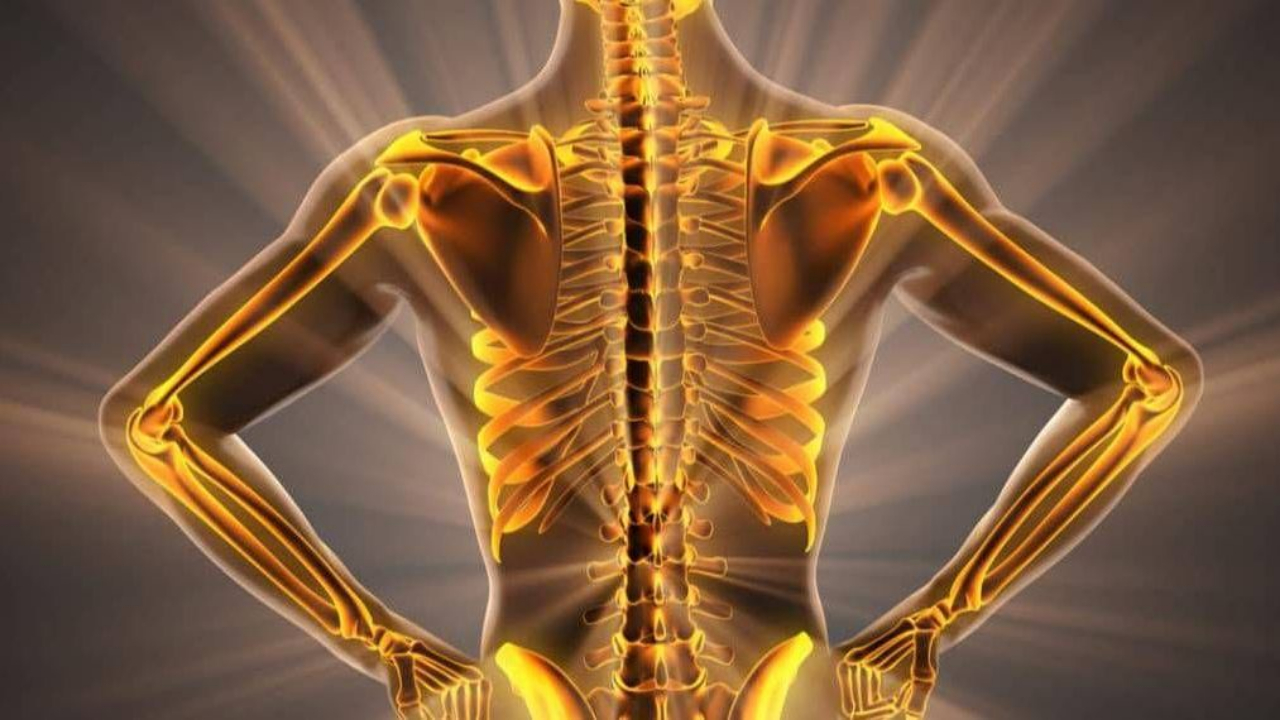
Your bones are stronger than steel—but only if you train them like it.
Most people don’t think about their skeletal health until something breaks. And by the time a bone fracture happens—whether it’s a stress reaction in a runner or a devastating hip break in an older adult—the opportunity for easy prevention has usually passed.
We praise muscle definition, track calories burned, and chase better sleep or digestion. But the one system that makes all of it possible—our bones—is often neglected in fitness conversations. That’s a problem, because your bones are more than scaffolding. They are active, living tissues that respond to stress, influence metabolism, and play a major role in how you move, recover, and age.
So why don’t we train for them?
Bone Is Living Tissue. Train It Like One
Your bones constantly remodel themselves. In a healthy adult, about 10% of bone mass is replaced each year. That process—called bone remodeling—is how your body responds to physical demand and repairs micro-damage. It’s also why sedentary individuals lose bone density while active individuals can maintain or even gain it.
What makes bone unique is that it responds to force. Not just any force—impact, tension, and load-bearing movement. Unlike cardio, which builds cardiovascular endurance, or flexibility work, which lengthens soft tissue, bone-building requires a very specific kind of mechanical stress.
This means training strategies must go beyond what’s good for muscles. If you want bones that hold up to life—and sport—you have to challenge them directly.
Fragility Is Closer Than You Think
It’s easy to assume only older adults need to worry about brittle bones. But osteopenia and osteoporosis often begin silently in your 30s or 40s. And younger individuals aren’t exempt—especially:
-
Female athletes with low energy availability or hormonal disruptions
-
Youth athletes in weight-sensitive or aesthetic sports (gymnastics, dance, wrestling)
-
Chronic cardio devotees who neglect resistance or impact training
-
People recovering from injury or long-term immobilization
And despite being active, many lifters aren’t loading bones effectively. Reps and sets are great for muscle hypertrophy, but bones respond to load intensity and velocity more than volume. This makes exercise selection, tempo, and progression especially important.
How to Actually Build Better Bones
Bone-building isn’t just about lifting heavy—it’s about applying the right kind of challenge to the skeletal system. Some of the most effective methods include:
1. Resistance Training
Heavy, compound lifts like squats, deadlifts, lunges, and presses provide vertical loading and stimulate osteoblast activity (bone-building cells). Think of this as your skeletal strength base.
2. Plyometric and Impact Work
Jumps, bounds, skips, and even stomp-based movement create ground reaction forces that bones love. Start low (e.g., pogo hops, line jumps) and progress carefully, especially with older adults or those new to impact.
3. Multi-Planar and Asymmetrical Movement
Loading the body in different directions builds stronger, more adaptive bone structure. Use crossover lunges, lateral step-ups, Turkish get-ups, and offset carries to challenge bones beyond simple vertical force.
4. Power and Speed Training
Explosive movements like kettlebell swings, sled pushes, or Olympic lifts provide quick, high-intensity stressors that stimulate deep skeletal adaptation without long-duration fatigue.
Important: Variety matters. Repeating the same exact movements limits skeletal adaptation. Your bones respond best to new, dynamic, and progressive stress—with enough recovery in between.
What About Nutrition?
Calcium is only part of the equation. To truly support skeletal health, your diet should include:
-
Vitamin D: Boosts calcium absorption. Found in sunlight, fatty fish, and supplementation.
-
Vitamin K2: Helps direct calcium into bone tissue and away from arteries.
-
Magnesium & Zinc: Essential for bone matrix development and repair.
-
Protein: Adequate protein supports bone turnover, especially in older adults.
-
Collagen: Supplements may improve bone mineral density, especially in postmenopausal women or aging athletes.
Also vital: total energy availability. Low-calorie diets—especially those that strip protein or fat—can reduce bone-building hormones like estrogen and testosterone and increase bone resorption.
Athletes with disordered eating histories or restrictive patterns may face long-term skeletal consequences even if they appear outwardly fit.
Hormones, Stress, and Recovery: The Bone Trifecta
Bone health is tightly regulated by your endocrine system. Hormones like estrogen, testosterone, cortisol, and growth hormone all play major roles in the balance between bone formation and resorption.
-
High cortisol from overtraining or chronic stress breaks down bone tissue.
-
Low estrogen, especially during menopause or amenorrhea, accelerates bone loss.
-
Testosterone supports bone density in both men and women.
That means your sleep, stress management, and recovery practices are just as important for your bones as your reps in the gym.
A well-fed, well-rested body builds better bones. It’s that simple—and that complex.
Why This Matters Long-Term
One in two women and one in four men over 50 will experience a bone fracture due to osteoporosis. But these fractures don’t happen overnight—they result from years of under-training and under-recovery.
And it’s not just about catastrophic breaks. Bone loss can quietly shrink your posture, affect your gait, and impair movement economy—leading to a slow decline in quality of life.
On the flip side, people who lift, jump, walk, and nourish themselves adequately retain mobility and independence longer.
The earlier you start, the better. Bone-building is most effective during adolescence and early adulthood, but it remains relevant for every stage of life. Even small improvements in bone density or architecture can drastically reduce fall and fracture risk.
Train for the Body You Want to Keep
Bone isn’t glamorous. You can’t see it flex in the mirror. It doesn’t show up in before-and-after photos. But it’s there—quietly determining how well your muscles, joints, and nervous system perform under pressure.
You don’t need to overhaul your program. Just make bones part of the conversation. Include heavier lifts, add jumping variations, emphasize variety, and prioritize recovery. Review your nutrition for gaps and support clients in avoiding overly restrictive habits.
Strong bones aren’t a side effect. They’re a skill—and like any other, they need consistent training.
Want to stay strong? Start at the foundation.
Written by: L.R. Moxcey
