
HbA1c Demystified
The Three-Month Window Into Metabolic Health
When you step into a clinic to evaluate your metabolic fitness, the standard diagnostic protocol usually relies on a snapshot. A practitioner pricks your finger or draws your blood to measure your fasting blood glucose. If that number falls within a narrow, normal window, you receive a clean bill of health. You assume your insulin sensitivity is optimal and your fitness regimen is working perfectly behind the scenes.
However, clinical exercise physiology and longevity medicine have exposed a major limitation in relying solely on fasting blood glucose. Your daily blood sugar is highly volatile. A stressful commute, a poor night of sleep, a recent hard workout or even a cup of black coffee can cause your fasting glucose to spike or plunge on any given morning. It is a transient metric that reflects where your body is in a single minute, not where your health resides across months of training.
To get a true, unvarnished look at your metabolic durability, you must look at HbA1c, which stands for Glycated Hemoglobin. This biomarker offers an uncompromising, three-month average of your blood sugar management, serving as the ultimate report card for your metabolic fitness and longevity progression.
Best of all, you no longer need to wait for an annual physical to check this metric. Modern health tracking allows you to access HbA1c screening through simple at-home finger-stick kits and direct-to-consumer lab portals.
The Biology of Cellular Sugaring
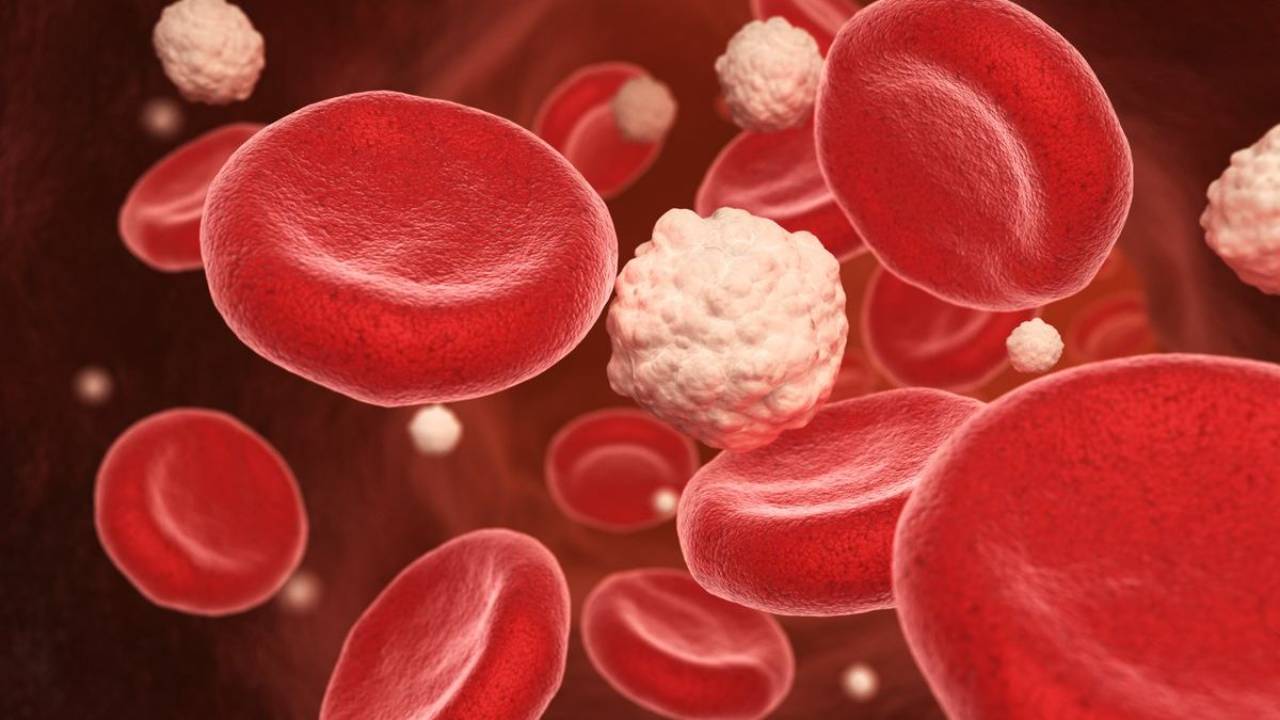
To understand what HbA1c measures, you must look at the lifespan of a red blood cell. Your bloodstream is packed with millions of red blood cells, which contain an iron-rich protein called hemoglobin. The primary job of hemoglobin is to transport oxygen from your lungs to your working muscles and tissues.
As these red blood cells circulate through your vascular pathways, they swim alongside the glucose molecules derived from the foods you eat. Through a natural, non-enzymatic process called glycation, glucose molecules automatically stick to the hemoglobin proteins. Once a sugar molecule fuses to a hemoglobin protein, it remains attached for the entire lifespan of that red blood cell, which is roughly 90 to 120 days.
If your bloodstream is consistently flooded with excess glucose over several months, a high percentage of your hemoglobin proteins become permanently sugared. Conversely, if your muscles efficiently clear glucose from your blood, your hemoglobin proteins remain relatively clean. HbA1c measures the exact percentage of your hemoglobin that has been modified by glucose, acting as a biological ledger that captures every blood sugar spike and stabilization event across the previous twelve weeks.
Why Fitness Enthusiasts Have Hidden Metabolic Vulnerabilities
There is a common misconception that if a person exercises regularly and carries a decent amount of muscle mass, their HbA1c will automatically be pristine. This assumption creates a dangerous blind spot for many dedicated fitness enthusiasts. You can look remarkably fit on the outside while experiencing progressive metabolic dysfunction on the inside. This often occurs when intense physical training is paired with chronic psychological stress, sub-optimal sleep hygiene or a diet that relies heavily on constant, fast-digesting carbohydrates to fuel workouts.
When you live in a chronic fight-or-flight state, your liver constantly dumps stored glucose into your bloodstream to prepare your body for a perceived physical threat. If you are sedentary at a desk while this internal sugar dump occurs, that glucose remains in your bloodstream, slowly glycating your red blood cells. Tracking your HbA1c forces you to look past the mirror, revealing whether your current lifestyle, stress management and training architecture are truly supporting your cellular health or slowly driving you toward insulin resistance.
Interpreting the Metabolic Matrix
An HbA1c test is expressed as a simple percentage, and understanding where your score falls is critical for engineering your longevity protocol.
An optimal longevity tier sits between 4.8% and 5.3%. This range indicates exceptional insulin sensitivity, efficient glucose disposal and low baseline cellular glycation, making it the prime target for individuals looking to maximize health span.
The sedentary public baseline typically sits between 5.4% and 5.6%. While mainstream medicine considers this range completely normal, longevity specialists view it as a warning sign of early metabolic drifting, suggesting that your cells are beginning to lose their sharp response to insulin.
Once you cross into the prediabetic zone of 5.7% to 6.4%, your cells have developed significant insulin resistance. Your pancreas is working overtime to pump out massive amounts of insulin just to keep your blood sugar from climbing higher.
Anything at 6.5% and above confirms a clinical state of type 2 diabetes, requiring immediate structural lifestyle redesign. The incredible value of tracking this percentage is its resistance to manipulation. You cannot cheat an HbA1c test by eating clean for two days before your blood draw or skipping breakfast on the morning of the exam, because it demands genuine, long-term consistency.
Calibrating Your Routine for Glycation Defense
If your HbA1c score is drifting higher than your optimal target, you must alter the physiological signals you send to your cells. You can systematically drive this metric down by focusing on the quality of your lifestyle inputs:
-
Build Muscle Density to Force GLUT-4 Activation: Skeletal muscle is your body’s primary sink for glucose disposal, managing up to 80% of post-meal blood sugar. By lifting heavy weights and building muscle density, you multiply the presence of GLUT-4 transporters. These transporters act as physical doorways on your cell walls that open during muscle contractions, allowing your body to rapidly siphon sugar out of the bloodstream without needing an excess surge of insulin.
-
Incorporate Zone 2 Aerobic Conditioning: Engaging in steady-state, low-intensity cardiovascular work increases the capillarization of your muscles and multiplies your mitochondrial density. More mitochondria mean your body can oxidize fats and sugars far more efficiently at baseline, preventing the stagnant blood sugar floating that drives up glycation metrics.
-
Enforce Cortisol Management and Sleep Quality: Chronic sleep deprivation directly destroys insulin sensitivity within forty-eight hours. Prioritizing seven to eight hours of high-quality sleep stabilizes your morning cortisol levels, stopping your liver from performing unnecessary, stress-induced blood sugar dumps.
The Ultimate Longevity Report Card
True metabolic health is an inside-out equation. Your physical performance, recovery speed, brain health and long-term disease resistance are all tethered to how cleanly your body processes fuel at the cellular level. By making HbA1c a mandatory fixture in your biometric tracking, you move past the guesswork of standard scales and volatile fasting glucose sticks. Listen to the data, build your metabolic sink through regular resistance work and engineer a lifestyle that keeps your cellular machinery running smoothly for the long haul.
Written by: L.R. Moxcey
