
Meal Prep for People Who Hate Meal Prep
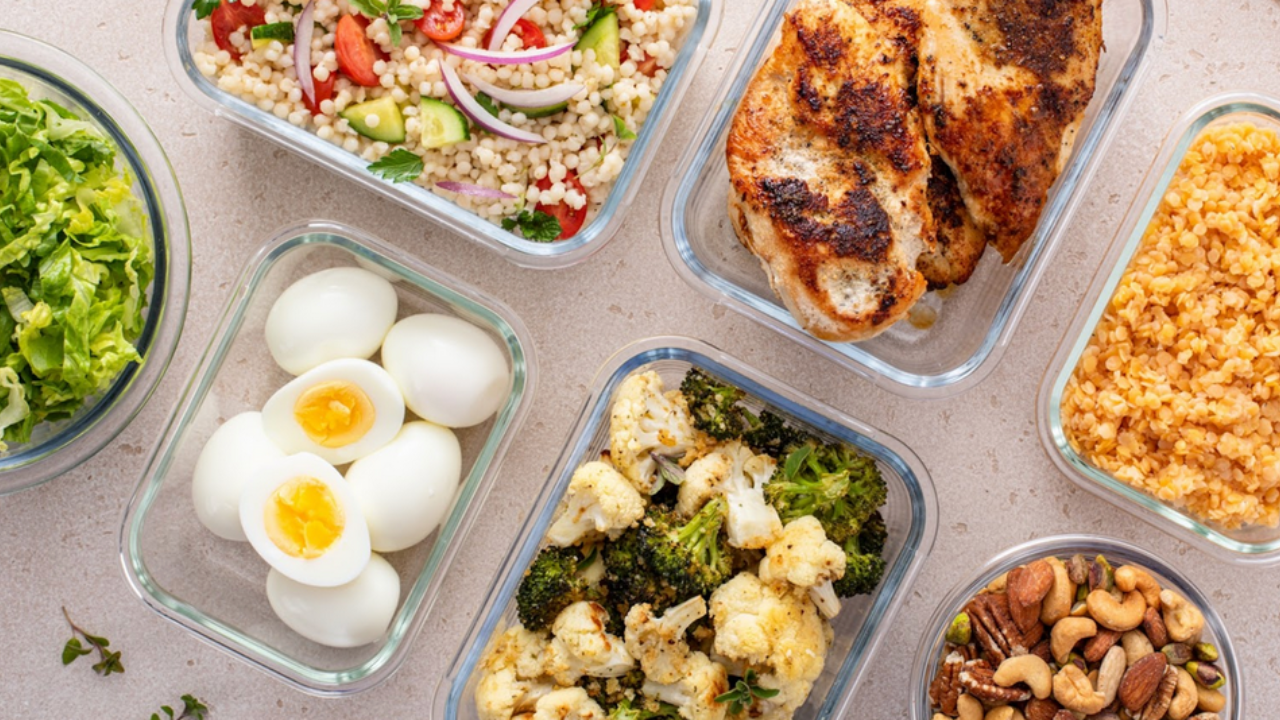
Meal prep has a reputation for being an all-or-nothing personality trait. Either you’re the person with a Sunday routine and a fridge full of matching containers, or you’re the person who would rather do literally anything else than spend your free time turning food into an assembly line.
Most people fall into the second category. Not because they don’t care, but because traditional meal prep asks for too much: too much time, too much repetition, too much planning, too much cleanup—and by Wednesday, too much of the same meal staring back at you.
A Real Food Reset doesn’t require you to become a meal prep person. It requires you to become a “future-you” person. Someone who sets up just enough structure that weekdays are easier, meals are more reliable, and energy doesn’t fall apart the moment life gets busy.
That’s what this approach is: meal prep without the meal-prepper identity.
Why classic meal prep fails for normal humans
Traditional meal prep usually breaks down for three predictable reasons.
First, it’s rigid. People prep five identical lunches and discover that consistency is easier than sameness. You can be consistent without eating the same bowl on repeat until it feels like punishment.
Second, it’s time-heavy. If the process takes multiple hours and turns your weekend into a kitchen marathon, it’s not a sustainable habit—it’s a temporary project.
Third, it depends on motivation. It assumes you’ll always feel like cooking. Most weeks, you won’t. And that’s not a character flaw—it’s life.
The fix isn’t “try harder.” The fix is a smaller, more flexible system that makes real meals easier to assemble even when your motivation is low.
The 3-Base System
Instead of prepping full meals, you prep three basics that make meals possible in minutes:
-
a ready protein
-
a ready fuel carb
-
a ready produce option
That’s the whole system.
When those three are available, you can build bowls, plates, wraps, salads, quick stir-fries, or breakfast-style meals without needing a recipe or a big decision-making session. You’re not committing to one meal. You’re setting up ingredients that can become many meals.
This is why it works for people who hate meal prep: it gives you structure without trapping you in repetition.
Base #1: Ready protein
If you want meals to feel satisfying and recovery-friendly, protein has to show up consistently. Protein supports muscle repair, helps keep hunger steadier, and reduces the common pattern of “I ate something” that turns into constant snacking later.
The easiest way to make protein consistent is to make it convenient. Choose one protein you can cook quickly—or buy already cooked—so it’s ready when you need it.
Versatile, low-fuss options include rotisserie chicken or pre-cooked grilled chicken, ground turkey or beef cooked with simple seasoning, a batch of baked fish (even a couple servings helps), roasted or pan-seared tofu/tempeh, hard-boiled eggs or egg muffins, Greek yogurt or cottage cheese for no-cook protein, and beans or lentils for a protein-plus-fiber option.
One simple rule makes this easier: include at least one “no-excuses protein.” Something you can eat with almost no preparation on a chaotic day—yogurt, eggs, rotisserie chicken, deli turkey, canned beans, or canned fish if you like it. That single choice can rescue your week.
Base #2: Ready carb
Carbs don’t deserve the drama they get. If you train, carbs are fuel. If you don’t train, carbs are still energy—just something you can scale. The goal isn’t to fear them or overdo them; it’s to keep a carb option available so meals don’t become random and hunger doesn’t get loud later.
A ready carb is especially helpful for people who hate meal prep because it shortens the “what do I eat?” moment. You can build a real meal quickly instead of defaulting to snack foods that never quite satisfy.
Rice is an obvious go-to, and microwave rice absolutely counts if it keeps you consistent. Roasted potatoes or sweet potatoes work well because they reheat easily and feel satisfying. Oats cover fast breakfasts and snack bowls. Pasta is underrated for busy weeks. Whole grain bread or wraps make meals portable. Quinoa and other grains work if you enjoy them. Fruit is also a simple add-on carb that requires no prep at all.
If you train regularly, this one change—having a carb you digest well ready to go—often improves workouts and recovery quickly. It’s hard to feel great in training when your meals don’t support output.
Base #3: Ready produce
Produce is what gives meals volume, fiber, and that “I ate something real” feeling. It supports digestion, satiety, and overall dietary quality. But the reason produce often disappears during busy weeks is simple: it feels like extra effort.
The solution is to choose produce that matches your real life, not your ideal life.
A simple approach is to keep one raw-ready option and one cook-ready option on deck. Raw-ready can be bagged salad, baby spinach, cucumbers, peppers, cherry tomatoes, pre-cut veggies, or fruit you actually eat. Cook-ready can be frozen vegetables, broccoli, green beans, onions, zucchini, or mixed frozen blends.
Frozen produce counts. Convenience produce counts. The point is to make “add a vegetable” feel automatic instead of aspirational.
How meals happen in under 10 minutes
Once the three basics exist, meals become assembly.
A simple formula makes it nearly foolproof: protein + carb + produce + flavor.
Flavor matters because it prevents boredom. This is where sauces, spices, salsa, vinegar, lemon, garlic, and condiments do real work. You can eat the same ingredients three different ways if the flavor changes.
A bowl is as simple as protein + rice + vegetables + sauce. A plate can be protein + potatoes + salad + dressing. A wrap can be protein + greens + crunchy veg + sauce. A quick stir-fry is protein + frozen vegetables + rice + seasoning. Breakfast-style meals are easy too: eggs or yogurt paired with oats or fruit, then finished with seeds or nuts if you want more staying power.
This isn’t “meal prep” in the traditional sense. It’s meal assembly, which is why it’s actually sustainable.
The 15–30 minute setup you’ll actually do
If you hate meal prep, you need a version that doesn’t feel like a second job.
A realistic weekly setup looks like this: pick one protein you can cook quickly (or buy pre-cooked), pick one carb that can be made in bulk with minimal effort, pick one raw-ready produce option and one frozen produce option, and pick one “flavor hero” for the week—a salsa, a sauce, or a seasoning blend you genuinely like.
That’s it.
If you want the easiest possible version, you can do this with almost no cooking: pre-cooked protein (rotisserie chicken, yogurt, eggs), microwave rice or ready grains, bagged salad plus frozen vegetables, and salsa or a simple sauce. You just created the system without turning your kitchen into a project.
What to do when you get bored
Boredom is the biggest reason people quit. The trick is not to reinvent the week—it’s to change one dial.
If meals start feeling stale, switch your flavor (teriyaki, salsa, garlic-lemon, curry-style sauce, pesto-style sauce). Or change the “shape” of the meal: bowls one day, wraps the next, plates the next, soups or stir-fries when you want something warmer. You can also swap the carb week to week—rice this week, potatoes next week—or rotate how you use produce (salad one day, sautéed or roasted the next).
Same basics. Different experience. That’s how you stay consistent without feeling trapped.
How this supports a Real Food Reset
A Real Food Reset works when you remove friction—not when you add rules.
This approach reduces decision fatigue. It reduces skipped meals. It reduces late-day cravings that often come from under-eating earlier. It increases consistency, which is the real driver of progress—whether the goal is better energy, improved body composition, or training recovery.
And it’s flexible. If your schedule changes, the system still holds. You can eat at home, pack something quickly, or use the same idea when you’re out: prioritize protein, include produce, add a carb when you need fuel, and make it satisfying enough to repeat.
Trainer tip: how to teach this without micromanaging
If you coach clients, this method works because it’s behavioral and realistic. It’s not a strict plan—clients still choose foods they like—but it gives structure that survives busy weeks.
A simple coaching prompt is: “What are your three basics this week—protein, carb, and produce?” From there, help them select options that match their schedule and effort level, not their perfection level. Add one flavor strategy to prevent boredom. Then check in on three signals: energy through the day, late-day hunger, and recovery. Those signals tell you whether the approach is working without turning nutrition into a tracking project.
A closing thought that actually fits real life
Meal prep doesn’t have to be a lifestyle or a personality. It can be a small weekly setup that makes your normal days easier.
Get one protein ready, one carb ready, and one produce option ready. Add a flavor you actually enjoy. Then let the week unfold—because when the basics are already in place, real meals happen faster, cravings stay quieter, and you don’t have to “find motivation” every time you’re hungry.
That’s the 3-Base System: simple enough to repeat, flexible enough to fit real life, and effective enough to support energy, satiety, and recovery without turning your kitchen into a project.
Written by: L.R. Moxcey
