
Meta-Movement: How Wearable Tech and Biofeedback Are Redefining How We Move
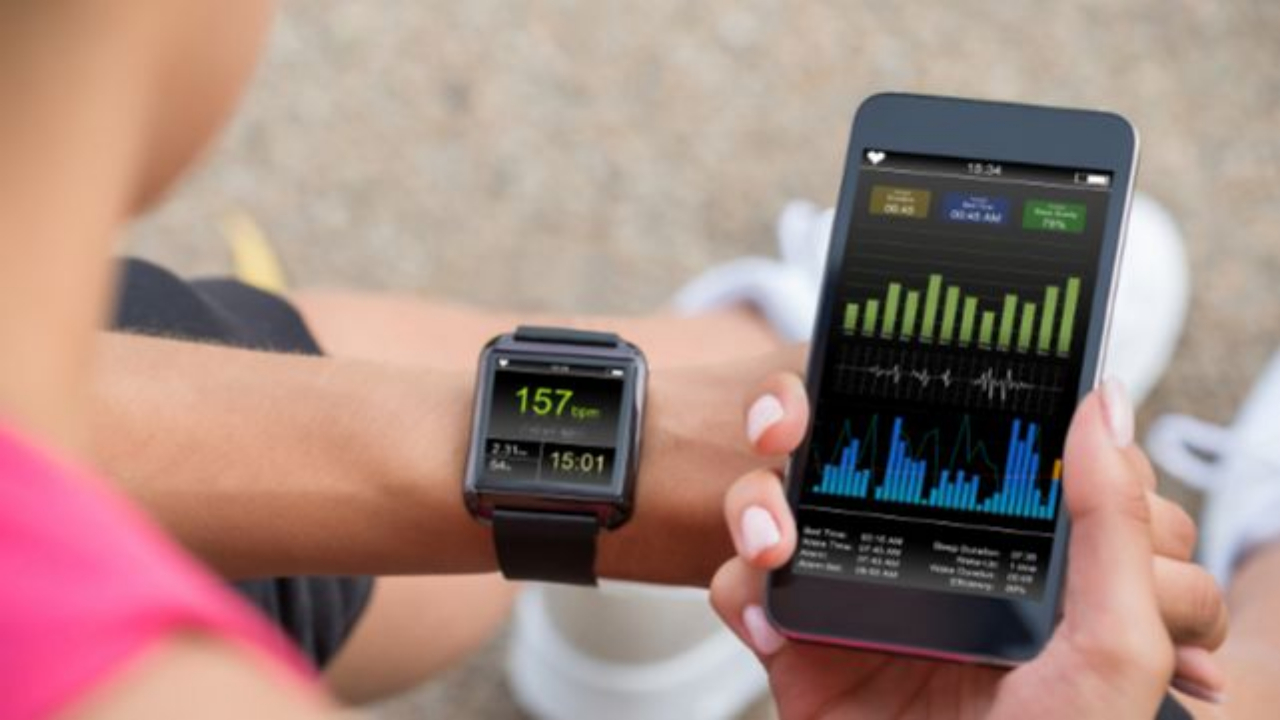
Movement is no longer just something we do—it’s something we track, analyze, and optimize. Welcome to the age of meta‑movement, where wearable tech and biofeedback tools are transforming how we train, recover, and even rest. From smartwatches and EMG sensors to HRV trackers and AI‑powered apps, we’re entering a new era of performance intelligence—one where self‑awareness meets science in real time.
This isn’t about chasing numbers for their own sake. It’s about closing the feedback loop between what we feel and what’s actually happening inside our bodies. In the gym. On the trail. In the clinic. Even in bed.
From Metrics to Mastery: The New Frontier of Movement
Wearable devices once just counted steps or tracked heart rate zones. Now they can measure gait asymmetries, detect stress via skin conductance, and monitor central nervous system fatigue through heart rate variability (HRV). This evolution is supported by growing research: a 2024 review found that wearable sensor‑derived sensory biofeedback can modulate spine motor control in clinical, industrial, and performance settings. PubMed And another 2024 validation study showed a novel wearable sensor prototype achieved less than 3% error compared to a laboratory-grade chest strap in HR monitoring. biomedeng.jmir.org These kinds of advances mean that what once required a lab can now happen on a wrist or ankle track.
The implications go far beyond performance. For everyday movers, this data offers insight into how well their bodies are recovering, how habits are impacting sleep cycles, or why certain movements feel harder on certain days. For athletes and fitness professionals, it means training smarter, not just harder. For clinical practitioners and rehab specialists, it’s a real‑time window into motor control, neuromuscular function, and progress tracking between visits.
How Biofeedback Improves Real‑Time Body Awareness
One of the most powerful outcomes of this tech is enhanced interoception—our brain’s ability to read what’s going on inside the body. Biofeedback tools help bridge the gap between subjective experience (“I feel off today”) and objective evidence (“Your nervous system hasn’t recovered fully from your last session”). In a study of elite team sports published in 2024, HRV monitoring was found to be a valuable tool for tracking readiness, recovery, and overall health status. ResearchGate When your wearable says your HRV is down, or a posture sensor flags a pelvic tilt, you have the language to say: “I’m not weak—I’m under‑recovered.”
In rehab settings, wearable sonification systems—for example devices that give audio feedback based on motion sensors—have shown promise in improving movement awareness, especially in irregular gait and posture conditions. MDPI For a person recovering from knee surgery, this means they don’t have to wait for a physical therapist; the wearable themselves provides cues and data to support movement quality during daily tasks.
The Rise of Precision Coaching and Micro‑Adjustments
With motion sensors and accelerometers, wearable tech can now analyze movement quality as much as movement quantity. That means we’re no longer limited to reps and time—we can evaluate stride length, pelvic rotation, ground contact time, posture, and joint angles. A scoping review from 2024 showed that wearable sensor‑mediated biofeedback frameworks are being used to enhance spine posture and motor function across everyday and high‑performance environments. BioMed Central
AI‑driven coaching platforms already use this data to give users feedback mid‑activity: “Engage your glutes more on your next rep.” “Your right foot is landing harder than your left.” “Reduce arm swing to conserve energy.” While not perfect, these systems are improving—and for solo exercisers, they offer feedback that would otherwise require a trainer or physical therapist.
For fitness professionals, this opens up new potential for remote programming, accountability, and intervention. A client with chronic knee pain might wear a sensor during daily movement to identify risky compensations. A distance runner might receive gait corrections mid‑run to avoid overuse injuries. It’s not just about tracking anymore—it’s about adjusting in real time.
Beyond the Athlete: Clinical and Lifestyle Integration
While elite athletes may have been early adopters, the real impact of wearable biofeedback tech may be in clinical and lifestyle settings. Devices like the Oura Ring, WHOOP Strap, and Apple Watch are now being used in rehab facilities, hospitals, and counseling centers to monitor sleep disturbances, autonomic dysfunction, and movement recovery post‑surgery.
For example, wearable technologies are being used to support the rehabilitation of motor disorders. A 2025 review found that wearables help monitor gait disturbance and postural balance—areas previously hard to measure outside labs. dovepress.com Even in the workplace, posture‑tracking wearables help desk‑bound professionals stay aware of spinal alignment and muscle fatigue—promoting longevity in careers that often breed sedentary strain.
Case Study: Athlete Use Case
Consider a competitive CrossFit athlete using continuous glucose monitoring (CGM), HRV tracking, and motion sensors in a programming block. After a high‑intensity week, her readiness score from her wearable drops 20% below her baseline. Instead of a regular max‑effort day, her coach switches to mobility and recovery work. Her next training session shows improved velocity and less soreness. The result? She maintains performance gains without chipping away at recovery. This isn’t anecdotal—it aligns with findings that HRV and wearable tech offer actionable insights for managing training load and avoiding overtraining. PMC
Lifestyle User Story
Picture an office professional who sits for 10 hours a day. He uses a simple posture‑tracking sensor clipped to his waistband and a smart ring that gives him a preparedness score each morning. One week, his readiness drops, and the sensor flags more slouching. He swaps one coffee for a 10‑minute standing walk, takes a short mobility break instead of a snack, and chooses stairs over elevator. Three weeks later his energy is more stable, his evenings are less fatigued, and his wearable data shows improved HRV. Here the wearable wasn’t about fitness ego—it was prevention and quality of life.
The Downsides: When Data Becomes a Distraction
Of course, with all this data comes risk—of obsession, misinterpretation, or decision fatigue. Not all feedback is helpful, especially if it becomes compulsive. Studies show some users of wearable devices experience increased anxiety, body dissatisfaction, or sleep disruption due to hyper‑monitoring. PubMed+1 It’s easy to become fixated on metrics—chasing perfect recovery scores, ideal sleep stages, or flawless running symmetry. But bodies aren’t machines. Variability is part of the game. And no algorithm can replace lived experience, intuition, or professional oversight.
Wearables are tools—not oracles. Their true power lies in augmenting awareness, not replacing judgment.
Ethical, Privacy and Accessibility Considerations
As wearables gather more biometric data, privacy and ethical concerns rise. A 2024 market analysis predicts wearable HRV systems will grow at 7.7% CAGR through 2031, with stronger applications in psychiatry and wellness monitoring. lucintel.com Who owns that data? Can third‑party analytics use it for insurance decisions or behavioral nudging? Are these tools equally accessible across socioeconomic groups? Coaches and professionals must navigate these questions—because personalization without equity is just another performance gap.
What This Means for the Future of Fitness
The integration of wearable tech and biofeedback is changing the very definition of movement literacy. It’s no longer enough to perform the reps. To optimize health and performance, we have to understand our movement patterns, internal signals, and recovery states.
For fitness professionals, this means learning to interpret data alongside subjective reports. For clients and athletes, it means shifting the focus from external validation to internal feedback. And for healthcare and wellness providers, it means merging prevention, performance, and personalized care into a single ecosystem.
The future isn’t just about more movement. It’s about informed movement. Because when you know what your body’s saying—when you can see the signals before they turn into symptoms—you gain more than performance. You gain agency.
And that’s the real upgrade.
Written by: L.R. Moxcey
