
Mitochondrial Biogenesis: Training Your Cellular Power Plants
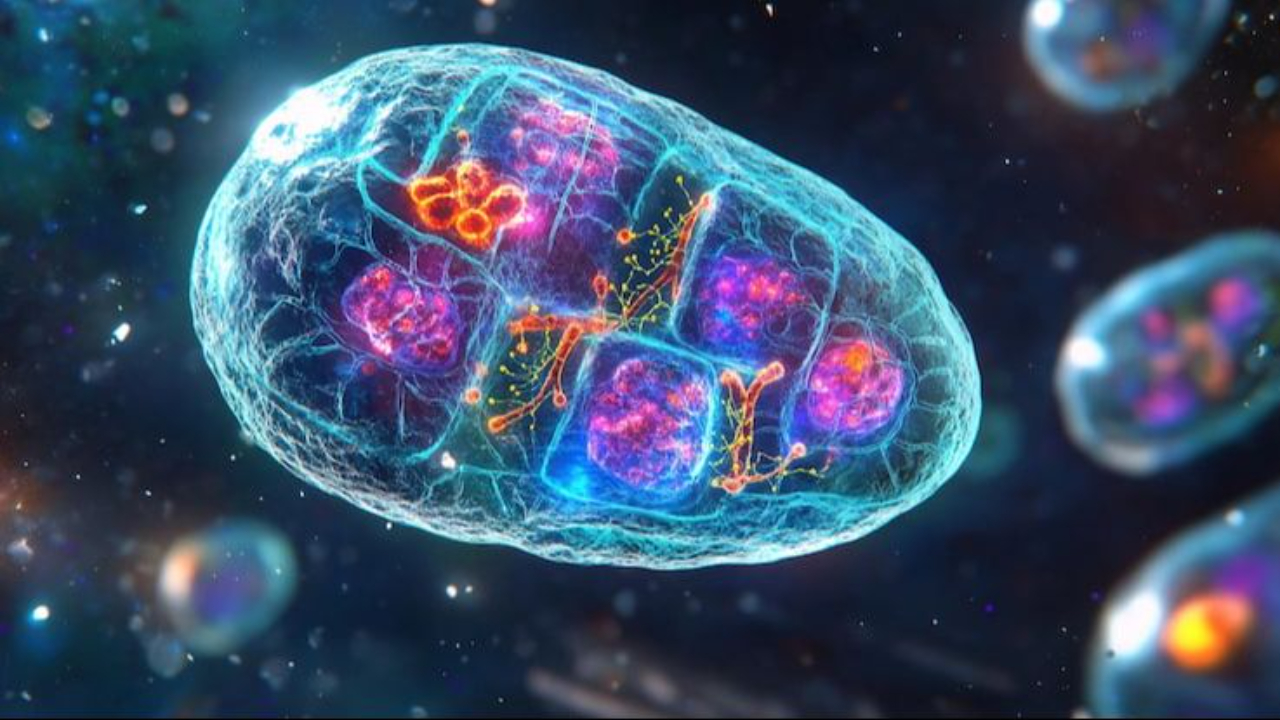
When discussing cardiovascular fitness, the conversation usually revolves around macro-level metrics. We focus on lung capacity, heart rate zones, and VO₂ max scores. While these indicators of aerobic power are valuable, they only measure the delivery system. They tell you how efficiently your heart and lungs can pump oxygenated blood to your working muscles.
True metabolic endurance, however, is determined at the microscopic destination. The ultimate bottleneck to sustained human performance is not how much oxygen you can breathe in, but how efficiently your cells can convert that oxygen into usable energy.
This vital chemical conversion takes place inside the mitochondria—the specialized organelles famously known as the power plants of your cells. To build an optimized, fat-burning, and fatigue-resistant body, you cannot just train your lungs; you must trigger Mitochondrial Biogenesis, the biological process of physically manufacturing entirely new cellular power plants.
The Mitochondria Matrix: Fueling the Human Grid
Every physical movement, from a high-intensity sprint to the quiet, unconscious beat of your heart, requires a chemical compound called Adenosine Triphosphate (ATP). ATP is the universal energy currency of human life, and the mitochondria are the cellular factories responsible for its mass production.
Inside your muscle cells, mitochondria take the fats and carbohydrates you consume and combine them with the oxygen you breathe to synthesize ATP.
-
Low Mitochondrial Density: If your muscle cells contain few or degraded mitochondria, your energy production capacity is severely bottlenecked. When you push your physical limits, your cells rapidly exhaust their aerobic energy pathways and are forced to rely on anaerobic metabolism. This results in a massive accumulation of metabolic waste products, leading to burning muscles, heavy fatigue, and rapid physical failure.
-
High Mitochondrial Density: When your cells are packed with dense, highly efficient mitochondria, your ability to generate ATP aerobically is dramatically amplified. Your body becomes exceptionally skilled at oxidizing fat for fuel, preserving its limited glycogen stores, and clearing waste products before they can cause fatigue.
Mitochondrial biogenesis is the ultimate physiological upgrade. You aren't just making the existing power plants work harder; you are adding more generators to the grid.
The Genetic Blueprint: How Cells Duplicate Their Engines
Unlike almost every other organelle in the human body, mitochondria are entirely unique because they possess their own distinct DNA (mtDNA) and can replicate independently of the cell itself. They behave almost like symbiotic organisms living within our tissues.
When a muscle cell experiences specific types of energetic stress, it activates a master genetic switch known as PGC-1alpha. Think of PGC-1alpha as the general contractor for cellular construction. Once flipped, this switch signals the cell to begin duplicating its mitochondrial DNA, synthesizing new proteins, and assembling entirely new mitochondrial structures from scratch. By understanding how to deliberately flip this genetic switch, you can systematically engineer a metabolic engine that remains highly resilient against fatigue and aging.
The Two-Pronged Stimulus: Volts and Volume
To trigger PGC-1alpha and force your cells to build more mitochondria, you must subject them to two distinct forms of physiological stress. You cannot achieve optimal cellular density by sticking to a single type of training; you need a synergistic approach.
1. Volume and Duration: The Sustained Alarm
The first way to activate the mitochondrial building machinery is through continuous, low-intensity output—commonly referred to as Zone 2 cardio. When you sustain a steady physical effort for an extended period (45 to 90 minutes), your muscle cells experience a prolonged influx of calcium ions.
This sustained calcium exposure acts as a metabolic alarm bell, activating enzyme pathways that directly flip the PGC-1alpha switch. This stimulus does not require you to gasp for air or feel exhausted. It requires consistent, rhythmic muscle contractions that signal to the cell that it needs a larger, more sustainable energy framework to survive the long-duration demand.
2. High Intensity: The Energy Emergency
The second pathway to mitochondrial biogenesis is the exact opposite: short, explosive bursts of maximal intensity, such as Sprint Interval Training (SIT). When you execute an all-out sprint for 20 to 30 seconds, your cells consume ATP at a catastrophic rate.
This sudden, severe energy drain causes a massive spike in cellular stress molecules, activating an emergency fuel sensor called AMPK. When AMPK detects an energy crisis, it rapidly triggers PGC-1alpha to build more mitochondria so the cell is never caught off guard by a sudden deficit again.
Mitochondrial Decay: The Sputtering Engine of Aging
The importance of mitochondrial biogenesis extends far beyond athletic performance; it is a critical component of biological longevity. As we age, our mitochondria naturally undergo a process of degradation and accumulate DNA mutations, a state known as mitochondrial decay.
When these power plants become damaged, they behave like old, unserviced car engines. Instead of burning fuel cleanly, they begin to sputter and leak highly reactive, toxic molecules called reactive oxygen species (ROS). This cellular "smoke" creates severe oxidative stress, damages surrounding cell membranes, and drives the systemic inflammation that underlies metabolic syndrome, insulin resistance, and cognitive decline.
Furthermore, damaged mitochondria lose their ability to efficiently process fats, which is why individuals often experience a severe metabolic slowdown as they age, regardless of their diet. Actively forcing the body to create new, pristine mitochondria while clearing out the old, broken ones (a process called mitophagy) is the most effective way to protect your metabolic youth.
The Cellular Power Protocol
To build a highly efficient mitochondrial network, your lifestyle and training architecture should incorporate these specific cellular triggers:
-
Build a Strong Zone 2 Base: Dedicate two to three sessions per week to steady-state cardiovascular work at a conversational pace. This volume is the foundational floor required to expand the sheer size of your mitochondrial network.
-
Inject a Weekly High-Intensity Spark: Include one session of true maximal-effort intervals (such as four to six rounds of 30-second all-out cycling sprints with full recovery between rounds) to shock your cellular fuel sensors and force rapid adaptation.
-
Utilize Thermal Shock Therapy: Exposing your body to extreme temperature changes activates heat shock and cold shock proteins that work in tandem with PGC-1alpha. Incorporating deliberate cold exposure or sauna sessions provides a powerful non-exercise stimulus for mitochondrial optimization.
-
Support the Electron Transport Chain: The chemical reactions inside the mitochondrial matrix rely heavily on specific micronutrients to pass electrons cleanly and generate ATP. Ensuring adequate intake of Coenzyme Q10 (CoQ10), Alpha-Lipoic Acid, Magnesium, and B vitamins provides the raw spark plugs your cellular power plants need to function without leaking toxic waste.
Fueling the Cellular Grid
True fitness is not built on the surface of the skin; it is forged within the cellular matrix. By shifting your training philosophy away from simply chasing a burning sensation or burning a arbitrary number of calories, you can begin to train with true cellular purpose.
Mitochondrial biogenesis ensures that your body possesses the internal infrastructure required to meet any physical demand with ease. Build a larger, denser network of cellular power plants today, and enjoy a lifetime of boundless metabolic energy, exceptional fatigue resistance, and youthfulness that originates from the inside out.
Written by: L.R. Moxcey
