
Muscle as Metabolic Armor: The Evolutionary Shift from Aesthetics to Longevity
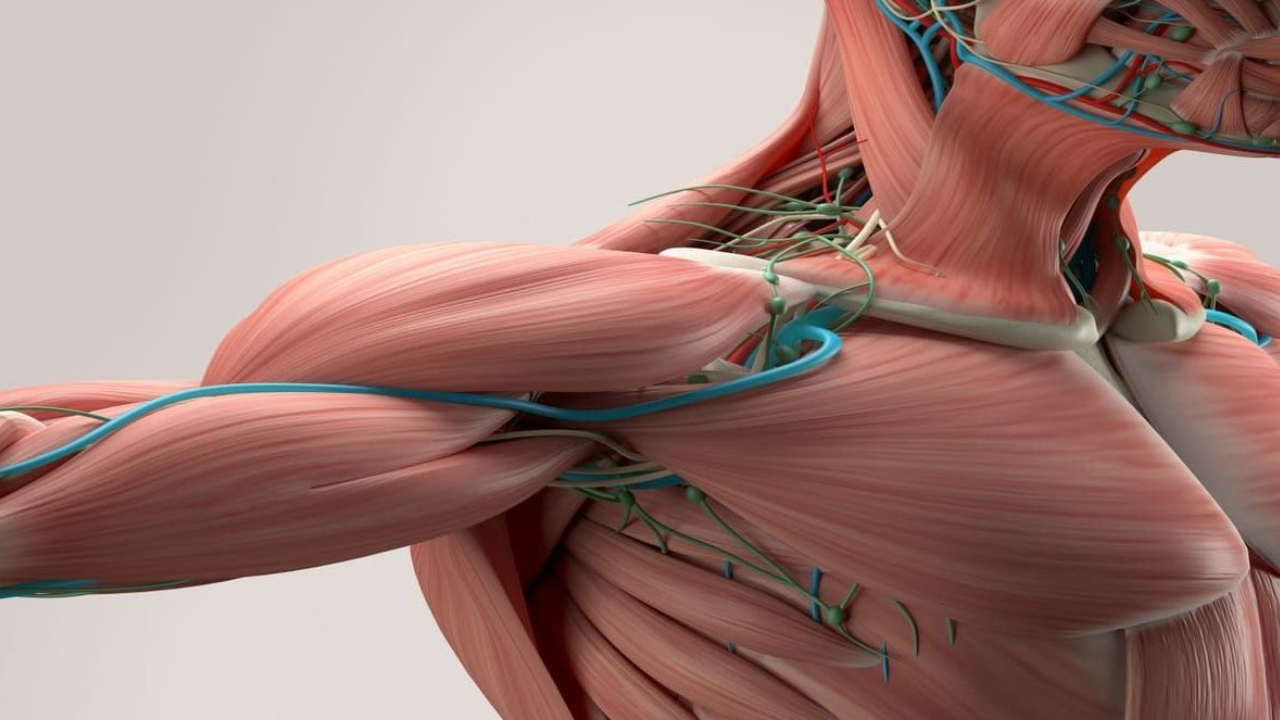
For decades, the fitness industry treated muscle like a luxury accessory—something you added for beach season or to fill out a t-shirt. This cosmetic obsession did a massive disservice to the public’s understanding of human biology. As we move into an era of unprecedented longevity, we are finally recognizing skeletal muscle for its true purpose. It is not just a pulley system for movement; it is the body’s largest and most proactive endocrine organ. It is your "Metabolic Armor," a sophisticated, chemical-producing powerhouse that dictates how you age, how you fight disease, and how your brain functions.
The Endocrine Revolution: Your Internal Pharmacy
The most significant discovery in recent muscle physiology is the identification of myokines. For a long time, we thought of fat as an active organ (secreting hormones like leptin) while viewing muscle as a "dumb" tissue that only responded to commands. We now know that when you contract a muscle against resistance, it acts as a biological pump, secreting hundreds of these small signaling proteins into the bloodstream.
Myokines are essentially "exercise medicine" manufactured internally. They do not stay localized to the bicep or the quad; they travel to the liver, the brain, the gut, and the adipose tissue to regulate systemic inflammation. One of the most vital, Irisin, facilitates the "browning" of white fat cells, turning stagnant energy storage into metabolically active tissue that is easier for the body to utilize. Another, Cathepsin B, has been linked directly to improved memory and hippocampal health. When you skip strength training, you aren't just missing "tone"; you are effectively shuttering a pharmacy that your body relies on to stay balanced and resilient.
The Glucose Sink: Safeguarding Your Bloodstream
We are currently in the midst of a global metabolic health crisis. Insulin resistance is the precursor to nearly every modern chronic ailment, from Type 2 Diabetes to Alzheimer’s (now often referred to as Type 3 Diabetes). To understand why muscle is the primary defense, you have to look at how the body manages fuel.
Skeletal muscle is responsible for roughly 70% to 90% of whole-body insulin-stimulated glucose disposal. Think of your muscles as a giant "sink" for blood sugar. Every time you consume carbohydrates, they are broken down into glucose. If your "muscle sink" is large, insulin-sensitive, and frequently emptied through movement, it soaks up that glucose effortlessly. However, if your muscle mass is low or sedentary, that sink is effectively plugged. The glucose remains in the bloodstream, forcing the pancreas to overproduce insulin, which eventually leads to cellular "rusting." By building Metabolic Armor, you aren't just getting stronger; you are increasing the size and efficiency of your body’s primary fuel-management system.
Sarcopenia: The Silent Erosion of Independence
The greatest barrier to building this armor is the persistent myth that resistance training is only for the "young and bulky." In reality, building muscle is a survival necessity for the aging. Starting in our 30s, the body begins a process called sarcopenia—the involuntary loss of muscle mass and quality. Most adults lose between 3% and 8% of their muscle mass per decade, a rate that accelerates sharply after age 60.
This isn't just about losing the ability to lift heavy objects; it is about losing the very tissue that protects your joints and manages your hormones. Sarcopenia is the silent driver behind the frailty that leads to falls and hip fractures, which are often the beginning of a rapid decline in quality of life. Research now shows that low muscle mass is a far more accurate predictor of mortality than Body Mass Index (BMI). You can be "thin" but "under-muscled," leaving you just as vulnerable to metabolic disease as someone who is clinically overweight. Building armor is about ensuring you have enough functional tissue to survive a hospital stay, a virus, or the simple demands of a long life.
The Bone-Muscle Cross-Talk
We often view bones as static structures—the "rebar" of the body—and muscle as the "concrete." In reality, they are in a constant, high-speed chemical conversation known as the bone-muscle unit. When you lift a heavy weight, the physical pull of the tendon on the bone creates mechanical tension that activates osteoblasts, the cells responsible for laying down new bone mineral.
This is why weight-bearing exercise is the gold standard for preventing osteoporosis. But the connection goes deeper than mechanical tension. Muscle-derived myokines actually signal to the bone marrow to remain resilient. You cannot have strong, fracture-resistant bones without strong, active muscles. The armor is a dual-layered system; if you want to be "unbreakable" in your 80s, you have to forge that shield in your 40s and 50s.
The Brain-Body Axis: Neuro-Fitness
Perhaps the most groundbreaking area of this research is the impact of muscle on the brain. We once believed the blood-brain barrier kept the effects of exercise localized to the body. We now know that exercise-induced myokines cross this barrier with ease. Strength training boosts the production of Brain-Derived Neurotrophic Factor (BDNF), which acts like "Miracle-Gro" for your neurons, supporting the survival of existing brain cells and the growth of new ones.
Furthermore, muscle acts as a "detox" organ for the brain. It can neutralize certain metabolites, such as kynurenine, which is produced during stress and linked to depression. When you train your larger muscle groups—your legs, back, and chest—you are literally cleaning and fertilizing your prefrontal cortex. This makes resistance training one of the most effective, underutilized tools for managing anxiety and cognitive decline.
Forging the Shield: The Protocol of Tension
Building Metabolic Armor requires a departure from the "cardio-first" mentality. It isn't about how many calories you burned during the session; it’s about the structural changes you forced your body to make in response to the stress.
-
Prioritize Mechanical Tension: This is the primary driver of growth. You must lift weights that are heavy enough to recruit "high-threshold motor units." If you can easily perform 20 reps without a struggle, you aren't building armor; you’re just moving.
-
The "Big Five" Compound Movements: To maximize the endocrine response, focus on movements that use multiple joints: Squats, Hinges (Deadlifts), Presses, Pulls, and Lunges. These movements recruit the most muscle fibers and trigger the largest release of myokines.
-
Train Near Failure: You don't need to scream and drop weights, but the last two reps of every set should be a significant challenge. This "effective rep" zone is where the metabolic magic happens.
-
The Leucine Threshold: To repair and build this tissue, you need the right raw materials. High-quality protein intake—specifically focusing on the amino acid Leucine—is what "turns on" the muscle-building machinery after a workout. Aiming for 0.7 to 1 gram of protein per pound of body weight is the standard for armor maintenance.
The Ultimate Longevity Insurance
In a world obsessed with expensive supplements, wearable gadgets, and "biohacks," the most effective health insurance policy remains remarkably simple. Muscle is the great stabilizer of the human frame. It stabilizes your blood sugar, your joints, your hormones, and your mental health. As we look toward a future where we will likely live longer than any generation before us, the quality of those extra years will be determined by the resilience of our physical bodies. Building your Metabolic Armor today is the only way to ensure that your "health span" actually matches your "life span."
Written by: L.R. Moxcey
