
Oral Microbiome & Nitric Oxide: The Hidden Link to Cardiovascular Endurance
When mapping out a strategy to boost athletic performance, your thoughts naturally drift to classic variables. You optimize your training split, track your macronutrient intake, monitor your sleep, and experiment with performance supplements.
However, medical science and sports physiology have uncovered an unexpected bottleneck to your cardiovascular endurance. It is an evolutionary mechanism that has nothing to do with your lungs or legs, but relies entirely on the biological health of your mouth.
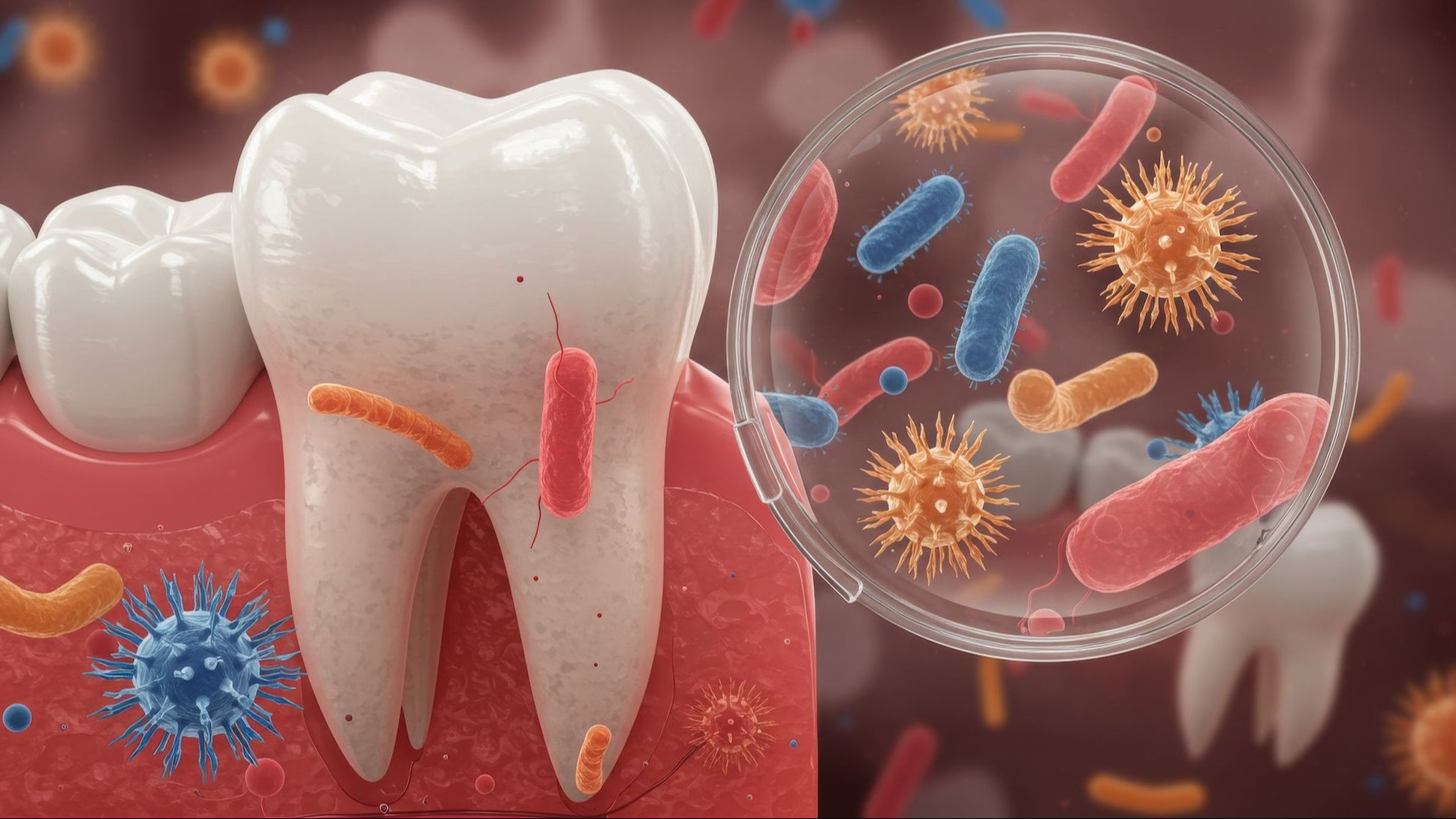
Your tongue is home to a highly specialized ecosystem of bacteria known as the oral microbiome. Far from just affecting the freshness of your breath, these specific microbes act as the primary ignition switch for the production of nitric oxide (NO). This gas is one of the body’s most potent performance-boosting compounds, making your oral health a direct driver of your cardiovascular endurance.
The Nitric Oxide Pathway: The Body's Natural Turbocharger
To understand why the mouth dictates performance, you must understand the role of nitric oxide in the cardiovascular system. Nitric oxide is a gas molecule that acts as a master signaling agent. Its primary job is vasodilation—the widening and relaxing of your blood vessels.
When your blood vessels dilate, several performance advantages happen simultaneously:
-
Enhanced Oxygen Delivery: Wider blood vessels allow a greater volume of oxygen-rich blood to reach your working muscles, delaying the onset of anaerobic fatigue.
-
Efficient Waste Removal: Increased blood flow accelerates the clearance of cellular waste products, like hydrogen ions and lactate, keeping muscle tissues firing cleanly.
-
Lower Cardiac Workload: Vasodilation reduces systemic blood pressure. This means your heart does not have to pump as hard to move blood through the body, preserving your heart rate reserves during intense training.
The human body manufactures nitric oxide through two distinct pathways. The first is internal, using the amino acid L-arginine. The second is dietary, relying on the consumption of inorganic nitrates found heavily in superfoods like beets, spinach, arugula, and celery.
However, humans lack the specific enzymes required to break down these dietary nitrates. To unlock their performance benefits, we are completely dependent on the symbiotic bacteria residing in our mouths.
The Nitrate-Nitrite-Nitric Oxide Loop
When you consume a nitrate-rich food, the nitrates are absorbed in your upper gastrointestinal tract and enter your bloodstream. A large portion of these nitrates is concentrated in your salivary glands, which pump them back into your mouth.
This is where the oral microbiome takes over. Specific anaerobic bacteria located in the deep grooves and crypts of your tongue—specifically strains from the genera Veillonella, Actinomyces, and Rothia—step in to assist:
-
Reduction: These specialized microbes feed on the nitrates in your saliva, using them for energy and reducing them into nitrites.
-
The Acid Conversion: You swallow this nitrite-rich saliva. Once it hits the highly acidic environment of your stomach, the gastric hydrochloric acid converts the nitrites into nitrous acid, which decomposes into pure, volatile nitric oxide gas before entering systemic circulation.
If these specific oral bacteria are missing or destroyed, the chain breaks completely. You can drink all the beetroot juice you want, but without a thriving oral microbiome, your body cannot convert those raw nitrates into performance-enhancing nitric oxide.
The Antiseptic Mouthwash Sabotage
The most significant myth in everyday hygiene is that a "sterile mouth is a healthy mouth." Millions of active individuals start and end their days by rinsing with strong, alcohol-based antiseptic mouthwashes. The goal is to kill 99% of bacteria, assuming this prevents cavities and bad breath.
From a performance standpoint, this practice is a massive mistake. Antiseptic mouthwash acts like a non-selective nuclear bomb in your mouth. It wipes out the harmful, cavity-causing bacteria, but it also destroys the beneficial, nitrate-reducing strains.
Research shows that using antiseptic mouthwash can tank systemic nitric oxide production by up to 90% and cause an immediate, measurable spike in blood pressure. For an athlete, this translates to tighter blood vessels, a higher heart rate at a given workload, and a significant drop in time-to-exhaustion during cardio sessions. By trying to sanitize your mouth, you are effectively choking your cardiovascular engine.
The Oral-Cardiovascular Connection in Aging
The health of your oral microbiome is also a major indicator of physical longevity. As we age, our internal pathway for producing nitric oxide naturally declines by up to 50%. This leaves us highly dependent on the dietary nitrate pathway to maintain flexible blood vessels and healthy blood pressure.
If an aging individual has poor oral health, chronic gum inflammation (periodontitis), or a history of using harsh chemical rinses, their ability to generate nitric oxide plummets. This loss of cellular signaling leads to arterial stiffness, poor circulation, and a rapid decline in cardiorespiratory fitness. Protecting these oral microbes is not just about athletic performance today; it is about preserving your cardiovascular youth for decades to come.
The Protocol for Oral Performance Hygiene
To optimize your oral microbiome and unlock maximum nitric oxide synthesis, your daily routine requires a performance-driven shift:
-
Eliminate Antiseptic and Alcohol Rinses: Swap out harsh chemical mouthwashes for prebiotic oral rinses that selectively target harmful plaque while leaving beneficial strains intact. Alternatively, incorporate the practice of oil pulling with raw coconut oil to mechanically trap debris without altering your oral pH.
-
Flood Your System with Dietary Nitrates: Make nitrate-dense superfoods a non-negotiable part of your daily nutrition. Consuming a concentrated dose of beetroot juice, arugula, or pomegranate extract two to three hours before a major training session ensures your saliva is packed with the raw materials your oral bacteria need.
-
Avoid Excessive Sugars and Processed Carbohydrates: Simple sugars feed the acid-producing bacteria that cause cavities and gum disease. These harmful strains thrive in an acidic environment, crowding out the alkaline-loving, nitrate-reducing bacteria that boost your performance.
-
Incorporate Oral Probiotics: Emerging sports science supports the use of specific oral probiotics containing strains like Streptococcus salivarius (K12/M18). These targeted microbes help colonize the mouth with beneficial bacteria, improving both oral immunity and nitric oxide production capacity.
The Gateway to Endurance
True athletic potential is an integrated system where no organ operates in isolation. Your mouth is the literal gateway to your digestive tract and the supervisor of your cardiovascular flexibility.
By ditching the obsession with chemical sterility and fostering a thriving, cooperative oral ecosystem, you unlock a hidden reservoir of cardiovascular endurance. Feed your oral microbiome, protect your internal pharmacy, and let your breath work in perfect harmony with your blood to build a resilient, high-output engine.
Written by: L.R. Moxcey
