
The Glycation Defense: Cooking Methods that Fight Accelerated Aging
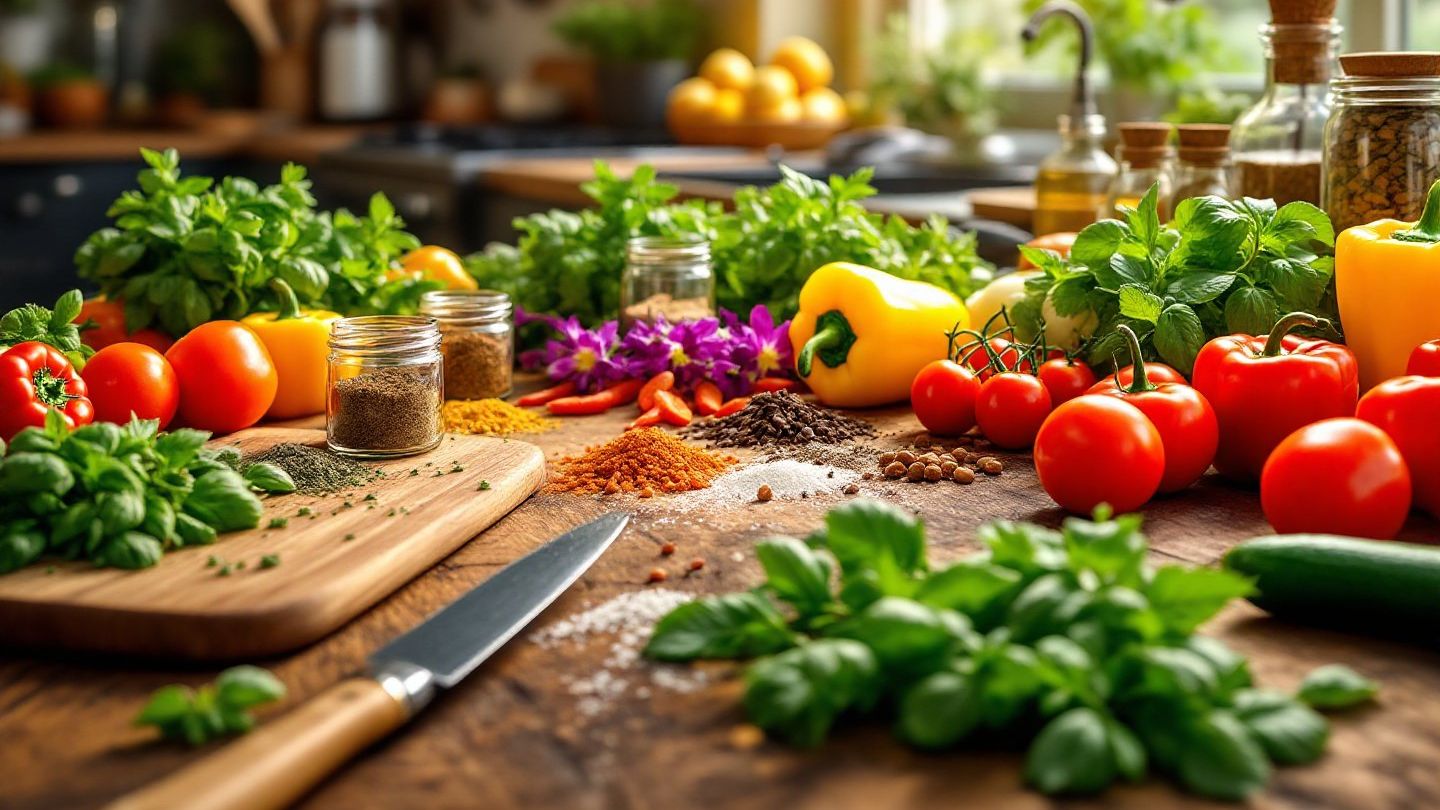
When we think about clean eating, we focus almost entirely on sourcing the right ingredients. We buy organic produce, select grass-fed meats, avoid processed additives and track our macronutrient ratios. We assume that if the raw components of our diet are high in quality, our body receives optimal nutrition.
However, a major blind spot in everyday nutrition is the chemical transformation that happens when food meets heat. The way you prepare your meals can change a longevity-boosting superfood into an inflammatory trigger.
When you cook food using dry, high-heat methods, you trigger a specific chemical reaction that generates toxic compounds known as Advanced Glycation End-products (AGEs). These compounds act like structural rust inside your body, cross-linking collagen, damaging cell walls and stiffening your joints. To protect your physical frame from accelerated aging, you must master the science of the glycation defense.
The Chemistry of Molecular Rust
Advanced Glycation End-products are formed through a non-enzymatic reaction called the Maillard reaction. This is the exact chemical process responsible for the browning, crisping and caramelization of food. When the sugars and proteins in meat or carbohydrates are exposed to intense heat without moisture, they fuse together, creating mutated molecular structures.
While this reaction makes food taste savory and delicious, consuming high concentrations of AGEs presents a severe biological threat. Once absorbed into your bloodstream, these glycated compounds behave like cellular heat-seeking missiles.
They bind to specific cellular docking sites known as RAGE, which stands for Receptors for Advanced Glycation End-products. This binding flips an internal inflammatory switch, triggering a massive wave of oxidative stress that damages the surrounding vascular walls.
Furthermore, AGEs have an affinity for collagen and elastin, which are the primary structural proteins that keep your skin supple, your blood vessels flexible and your joints mobile. When glycation occurs in these tissues, the proteins become stiff and brittle.
This degradation also compromises the extracellular matrix surrounding your muscle fibers, directly reducing your explosive power, agility and overall force transmission. This molecular decay is why a diet high in processed, high-heat foods manifests physically as deep wrinkles, chronic joint stiffness, arterial hardening and poor athletic recovery.
The Myth of the Universal Sear
Fitness and culinary cultures have fostered a persistent myth that searing, grilling or deep-frying food is the optimal way to lock in flavor and preserve nutritional integrity. We see this in the endless social media videos of fitness enthusiasts grilling chicken breasts over open flames or searing steaks in scorching iron skillets.
From a biochemical standpoint, this cooking style generates the highest possible concentrations of systemic toxins. Cooking identical pieces of meat using different thermal methods produces vastly different chemical profiles.
Grilling, roasting, broiling or frying chicken or beef at high temperatures for a short period causes a massive explosion in AGE formation, often increasing the toxic compound load by over 200%. Conversely, poaching a piece of wild salmon, stewing a lean pot roast in bone broth or slow-cooking a chicken breast at lower temperatures with liquid maintains a remarkably low glycation profile. This moisture barrier allows you to consume vital proteins without flooding your system with inflammatory rust.
By changing your thermal cooking strategy, you can drastically reduce your daily toxic burden, lowering systemic inflammation and protecting your structural longevity without changing a single item on your grocery list.
Engineering the Glycation Defense
You do not have to abandon your favorite foods or switch to a completely raw diet to protect your tissues. Instead, you can use simple chemical interventions to block the glycation process right in your kitchen:
-
The Power of Acid Marinating: One of the most effective ways to stop the Maillard reaction is to alter the pH environment of your food before it ever touches a heat source. Marinating meats in highly acidic liquids like lemon juice, lime juice or raw apple cider vinegar for just one hour prior to cooking can reduce AGE formation by up to 50%. The acid serves as a chemical shield, preventing the sugars and proteins from fusing together under heat.
-
Prioritize Liquid Cooking Mediums: Shift your primary cooking methods toward moisture-rich environments. Utilizing braising, slow-cooking, steaming and poaching keeps the cooking temperature capped at the boiling point of water. This moisture barrier prevents the surface of the food from drying out and overheating, which is the exact environmental condition required for glycation to occur.
-
Utilize Low and Slow Oven Settings: If you choose to roast or bake your meals, lower the oven temperature and extend the cooking time. Preparing food at lower temperatures significantly mitigates cellular damage while allowing the food to cook thoroughly and evenly.
Put the Glycation Defense Into Action
Shifting your cooking methods does not mean sacrificing flavor or variety. If you are looking for practical, mouth-watering ways to prepare low-glycation meals that protect your joints, fuel your performance and support cellular longevity, check out our dedicated Healthy Recipes section on our blog. Discover simple, chef-curated guides for main courses, nutrient-dense sides and guilt-free desserts designed to optimize your health from the inside out.
Protecting Your Structural Longevity
The structural integrity of your tendons, ligaments and muscles determines your overall physical capacity as you age. When you allow advanced glycation end-products to accumulate unchecked within your tissues, you are actively degrading the biological scaffolding that keeps you moving freely.
True health is not about punishing your body through chronic deprivation. It is about understanding the subtle chemical triggers that control your biology. By adjusting your cooking methods to emphasize moisture and acidity, you can keep your tissues clean, your cells young and your metabolic engine running at peak efficiency for decades to come.
Written by: L.R. Moxcey
