
The Grocery Store Blueprint
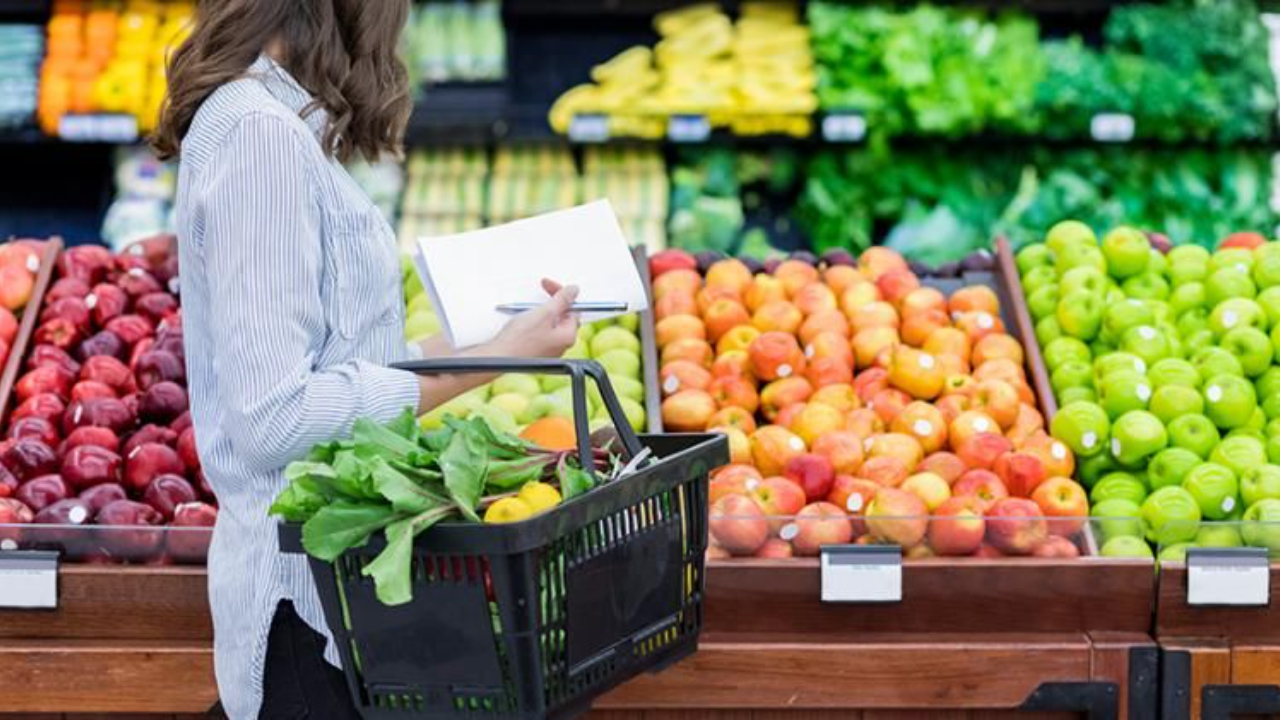
Most people don’t struggle with nutrition because they “don’t know what to eat.” They struggle because the grocery store turns decision-making into an endurance sport. You walk in with good intentions, you get hit with a thousand options and five hundred marketing claims, and you walk out with a cart that somehow contains both “healthy things” and snack foods you don’t even remember choosing.
A Real Food Reset isn’t about trying harder. It’s about building a system. And the grocery store is where that system starts—because what you bring home quietly determines how you’ll eat all week.
If your kitchen isn’t stocked with the building blocks of real meals, you’ll default to whatever is fastest. If “fast” mostly means ultra-processed snacks or random meals that don’t satisfy, you’ll end up in the cycle everyone knows: energy dips, cravings that feel urgent, and recovery that never quite catches up.
This is why grocery strategy matters. The goal isn’t to shop perfectly. The goal is to shop in a way that makes energy steadier, meals more satisfying, and recovery easier—without tracking, obsessing, or buying a cart full of ingredients that don’t actually become food.
The simplest way to shop like this is to stop shopping by vibes and start shopping by outcomes. You’re buying foods that help your body do three jobs: stay energized, feel satisfied, and recover from training and daily life.
Energy comes from having reliable fuel—especially carbs you digest well and meals that don’t leave you hunting for snacks an hour later. Satiety comes from meals built around protein and fiber. Recovery comes from having enough protein, enough total food, and the consistency that lets your body adapt instead of constantly playing catch-up.
When those outcomes are the goal, the grocery store gets easier. You’re not looking for “perfect foods.” You’re looking for components that assemble into meals.
Here’s the backbone of the system: a cart that supports your week almost always contains the same six categories. You don’t need to memorize them like homework, but it helps to know what you’re aiming for.
-
Protein anchors that make meals feel like meals (your recovery foundation)
-
Purposeful carbs that support energy and training (your fuel lever)
-
Produce for volume, fiber, and micronutrients (your steadiness factor)
-
Fats and flavor so food is satisfying and repeatable (your adherence tools)
-
Fiber helpers to close the “I’m still hungry” gap (your satiety support)
-
Convenience supports for busy days (your safety net)
That might sound like a list, but in practice it’s just a way of answering one question: “Can I make real meals easily this week?”
Protein anchors are where most people either win or struggle. If you have protein ready, meals happen. If you don’t, you end up snacking, grazing, or trying to build dinner around whatever is quickest. The best approach is to choose two or three protein options you actually like and will realistically eat this week—then include at least one “fast protein” that requires almost no effort. Eggs, Greek yogurt, rotisserie chicken, tofu, canned beans, deli turkey, cottage cheese—these are the items that save you on days when motivation is low.
From there, add carbs with a purpose. Carbs get a lot of unnecessary drama, but for most active people they’re simply fuel. The grocery store version of “purposeful carbs” isn’t fancy—it’s just choosing a couple of reliable options you digest well and can pair with protein. Rice, potatoes, oats, wraps, pasta, fruit. The right carbs make training feel better and make meals more satisfying, which reduces the urge to snack constantly.
Produce is the category that steadies everything. It adds volume, fiber, and micronutrients and makes meals feel like real meals instead of “protein plus a beige side.” A simple way to shop produce without wasting food is to buy a mix of raw-ready and cook-ready. Raw-ready is what you can eat immediately—bagged salad, cucumbers, peppers, cherry tomatoes, fruit you’ll actually reach for. Cook-ready can be frozen vegetables, broccoli, onions, zucchini, green beans, mixed frozen veggies—foods that keep longer and rescue your week when fresh produce runs out. Frozen counts. Sometimes frozen is the smartest choice.
Fats and flavor are what keep the plan alive past the first week. People abandon “healthy eating” because the food is bland, repetitive, and feels like a chore. A small amount of fat and a simple flavor strategy turns “I guess I’ll eat this” into “this actually tastes good.” Olive oil, nuts, seeds, avocado, cheese if you enjoy it—these are satisfying tools. And flavor isn’t optional: salsa, spices, garlic, lemon, vinegar, hot sauce, simple marinades, sauces you like. If your meals are boring, you will drift.
The fiber helper category is there because many people still under-eat fiber even when they buy produce. They’ll eat a few vegetables but build most meals around protein and starch, then wonder why hunger feels unpredictable. Fiber helpers are foods that make meals stick: beans and lentils, oats, berries, chia or flax, cruciferous vegetables, even popcorn as a higher-fiber snack. The key is to build gradually if fiber hasn’t been consistent—your digestion adapts like everything else.
Finally, convenience supports are what make the whole system realistic. This is the category that prevents takeout from becoming your default plan when your day goes sideways. Convenience is not failure. Convenience is strategy. Microwave rice, canned beans, frozen vegetables, rotisserie chicken, pre-cut fruit, bagged salads, ready-to-eat soups, frozen protein options—these items protect your week when you’re tired, stressed, or busy. A strong Real Food Reset includes a safety net.
If grocery shopping overwhelms you, here’s a simpler way to apply the blueprint without overthinking: build your list around ten core items that can create multiple meals. Not ten ingredients for one recipe—ten items that combine in different ways. For example: two proteins, two carb sources, three produce items (mix fresh and frozen), one fat/flavor add-on, and two convenience supports. That’s enough to create bowls, plates, wraps, salads, stir-fries, and quick breakfasts all week.
The most useful mindset shift is to shop for “assembly,” not “recipes.” You don’t need a meal prep personality. You just need to be able to assemble a meal when you’re tired. A simple formula makes this almost automatic: protein + carb + produce + flavor. If your cart supports that formula, your kitchen supports your goals.
For example, chicken + rice + frozen broccoli + a sauce you like becomes dinner. Beans + sweet potato + spinach + salsa becomes dinner. Eggs + potatoes + peppers + hot sauce becomes dinner. Greek yogurt + berries + oats + nuts becomes breakfast that actually holds you over. None of that requires a recipe. It requires the right cart.
One common trap is what I call the “healthy snack cart.” People buy lots of snack foods that look healthy—bars, chips, low-calorie treats—but not enough ingredients for actual meals. Then they graze all day, never feel satisfied, and wonder why cravings don’t improve. Snacks can fit, but meals are the structure. A helpful rule is to cover protein anchors and produce first, then decide which snacks are worth adding.
If you train regularly, the same blueprint applies—you just make sure your fuel options are practical. Have carbs you digest well available. Have post-workout meals that are easy to assemble. Have protein anchors that don’t require a full cooking session. When training is consistent, grocery shopping should make recovery easier, not harder.
For trainers coaching clients, this approach is often more effective than meal plans because it’s behavior-based and realistic. A client doesn’t fail because they don’t know what to eat—they fail because their environment doesn’t support it. If their cart is built around protein anchors, purposeful carbs, produce, flavor, fiber, and convenience supports, their week improves without micromanagement. Then you adjust based on feedback: energy through the day, hunger late-day, and recovery. Those signals tell you if the cart is working.
The grocery store doesn’t need to be a test of willpower. It can be a design choice. Shop in a way that makes meals easy to assemble, satisfying enough to repeat, and supportive of your training and recovery.
That’s the Grocery Store Blueprint. Not a strict list of “good foods,” but a system that makes the better choice the easier choice—week after week.
Written by: L.R. Moxcey
