
The Sodium Alignment: Why Active People Are Salt Deficient
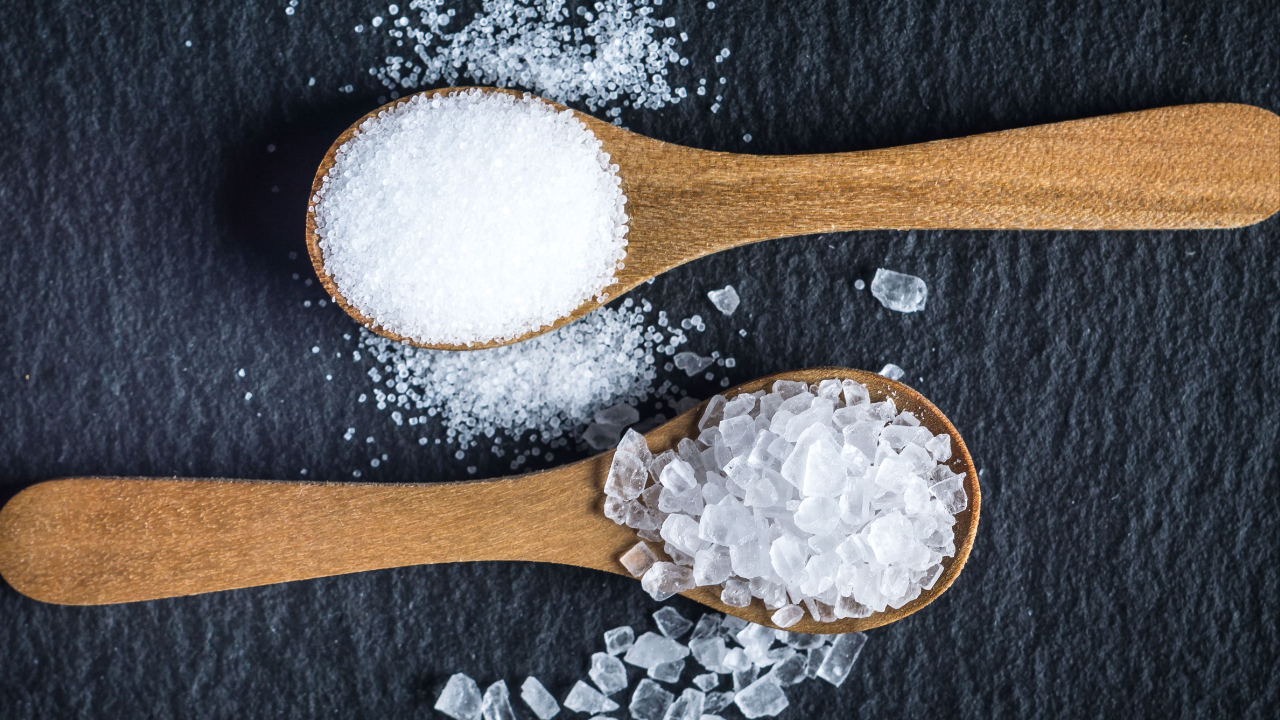
Go to any doctor or open any mainstream health website and you will find the exact same dietary warning: restrict your sodium intake. For decades, public health policy has treated salt as a primary dietary villain, linking it directly to high blood pressure and cardiovascular disease. We are constantly told to put down the salt shaker, avoid packaged goods and pick low-sodium alternatives at the grocery store.
However, exercise science and sports nutrition have exposed a major flaw in applying this sweeping advice to everyone. While sodium restriction might be necessary for a sedentary individual consuming a heavily processed diet, it can be physically destructive for an active person who exercises regularly, sweats often and eats whole foods. For the everyday athlete, a lack of dietary sodium destroys performance, delays recovery and disrupts sleep. It is time to step past the generalized health warnings and look at the precision science of the sodium alignment.
The Cellular Engine: The Sodium-Potassium Pump
To understand why active bodies require more salt, you must look at your physiology at the cellular level. Every single cell in your body relies on a mechanism embedded within its membrane known as the sodium-potassium pump. This pump is responsible for moving sodium ions out of the cell and pulling potassium ions in. This constant swapping of minerals creates an electrical gradient across the cell wall, which functions exactly like a biological battery.
Your nervous system uses this electrical gradient to send commands down to your muscles. Without adequate sodium outside the cell, the signal degrades, resulting in weaker muscular contractions, sluggish reaction times and sudden, painful muscle cramps. Furthermore, the sodium-potassium pump creates the hydraulic pressure needed to pull vital nutrients, like glucose and amino acids, out of your bloodstream and drive them into your muscle cells for repair and fuel. When you restrict sodium too heavily, you are essentially letting the battery of your cells go dead. You can eat the cleanest protein and the highest quality carbohydrates, but without enough sodium to power the pump, your cells cannot absorb and utilize that fuel efficiently.
The Sweating Disconnect and the Trap of Over-Hydration
The primary reason active individuals suffer from sub-optimal sodium levels is the sheer volume of minerals lost during physical exertion. When you exercise, you do not just lose water through your sweat; you lose a massive amount of electrolytes, with sodium being the dominant mineral lost by a wide margin. On average, a single liter of human sweat contains roughly 1,000 milligrams of sodium. If you are training intensely in a warm environment or performing a long cardiovascular session, you can easily lose two to three liters of fluid in a single workout, flushing out up to 3,000 milligrams of sodium in less than two hours.
Mainstream health guidelines cap recommended sodium intake between 1,500 and 2,300 milligrams per day for the general, sedentary public. If you adhere to these strict limits while maintaining a consistent training routine, you plunge your body into a chronic sodium deficit.
Even worse, many active individuals attempt to combat heavy sweating by drinking massive amounts of plain, un-mineralized water. This leads to a dangerous condition known as exercise-associated hyponatremia, where the sodium concentration in your blood becomes severely diluted. Your brain senses this drop in blood volume and triggers the release of stress hormones like aldosterone, forcing your kidneys to aggressively hold onto fluid. This survival response causes systemic water retention, morning puffiness and elevated baseline stress, which are the exact opposite outcomes that a low-sodium diet promises to deliver.
The Whole Foods Paradox
There is a unique dietary phenomenon that happens when people decide to clean up their nutrition. They stop eating processed fast foods, frozen dinners and boxed snacks, replacing them with single-ingredient whole foods like chicken breast, avocados, sweet potatoes and broccoli. While this shift is fantastic for your metabolic health, it inadvertently creates a massive sodium drop.
Processed foods account for roughly 70% of the average person's sodium intake because salt is used as a heavy preservative. Whole foods, on the other hand, contain virtually no natural sodium. When you combine a whole-foods diet with a heavy training routine, your sodium intake drops to near-zero levels while your output remains exceptionally high. This explains why dedicated health enthusiasts often complain of feeling flat, tired and mentally foggy despite eating a perfectly clean diet. They do not need more carbs or another cup of coffee; they simply need to season their food.
Nocturnal Stress and Sleep Disturbance
True hydration is not about how many gallons of plain water you can swallow throughout the day. If you drink massive amounts of pure water without matching that volume with adequate sodium, you dilute the mineral concentration in your bloodstream. This triggers your kidneys to immediately flush out the excess fluid, leading to constant trips to the bathroom and cellular dehydration.
Furthermore, sub-optimal sodium levels directly sabotage your sleep architecture. When blood volume drops due to low sodium, your sympathetic nervous system kicks into overdrive, spiking your cortisol and adrenaline levels to keep your blood pressure stable. This internal chemical spike often happens in the middle of the night, causing you to wake up suddenly around 2:00 or 3:00 in the morning with a racing mind and an inability to fall back asleep. Adding a pinch of salt to your water before bed can stabilize this vascular pressure, lowering nocturnal stress hormones and facilitating deeper, uninterrupted sleep.
Finding Your Precision Mineral Balance
Aligning your sodium intake requires looking at your individual training volume, sweat rate and dietary structure rather than following a rigid public rule. If you are a sedentary individual who eats out frequently, you do not need to seek out extra salt. However, if you are an active individual who cooks mostly whole foods and trains hard multiple times per week, you should actively season your meals with a high-quality salt.
While gourmet options like Celtic sea salt or Himalayan pink salt contain trace minerals, their primary benefit is simply delivering clean sodium chloride without anti-caking chemicals. Aiming for a baseline of 3,500 to 5,000 milligrams of sodium per day is often the sweet spot for active populations to maintain peak blood volume, exceptional gym performance and optimal recovery. Listen to your body, track your training output and stop fearing the salt shaker.
Master the Science of Performance Fueling
Optimizing elite performance requires a deep understanding of cellular hydration, macronutrient timing and precision mineral balance. If you want to move past generic dietary advice and learn how to engineer world-class nutritional strategies for athletes, explore our Sports Nutrition Specialist course. Gain the advanced credentials needed to maximize human metabolism, accelerate recovery and fuel physical breakthroughs.
Written by: L.R. Moxcey
