
The Fourth Macro
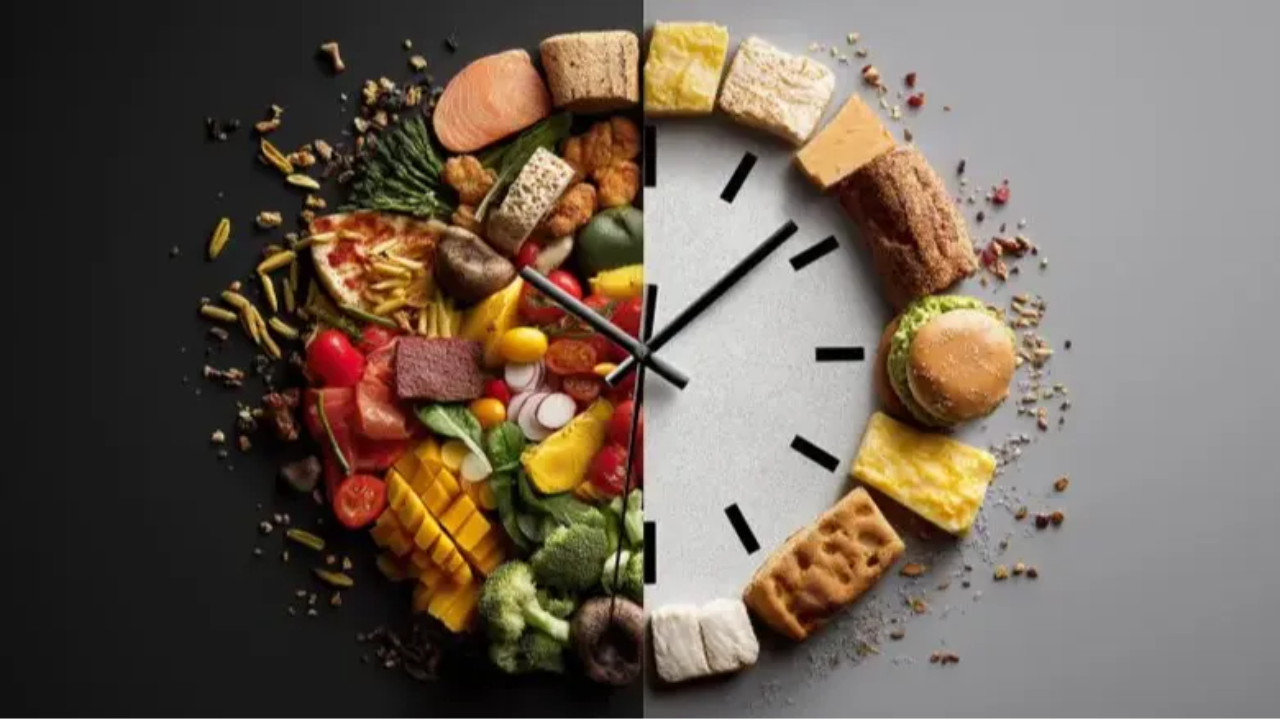
Why “When” You Eat is the New Frontier of Nutrition
As fitness professionals, we’ve spent years drilling the same three pillars: hit your protein targets, manage your total calories, and balance your fats and carbs. We’ve treated the human body like a calculator—a simple "calories in vs. calories out" machine. But as we move through 2026, the data is telling us a much more complex story. It turns out that the metabolic cost of a meal isn't just about what is on the plate; it’s about where the sun is in the sky.
Welcome to the world of Chrononutrition. This isn't just another diet trend; it is the study of how the timing of food intake interacts with our body’s internal circadian rhythms to dictate metabolic health. For the IFPA trainer, understanding this "fourth macro" is the key to helping clients who are doing everything right on paper but still struggling with stubborn plateaus, poor sleep, and erratic energy levels.
The Biological Watch: Master Clocks vs. Peripheral Clocks
To understand chrononutrition, we have to look at the body as a massive, synchronized orchestra. The "conductor" is the Suprachiasmatic Nucleus (SCN) in the brain, which is primarily set by light exposure. However, every major organ—your liver, your gut, your fat tissue, and your skeletal muscle—has its own "peripheral clock."
While the brain’s clock is set by the sun, these peripheral clocks are set primarily by food. When we eat at the "wrong" time—like a high-carb meal at 10:00 PM—we create a state of "circadian misalignment." The brain says it’s time to sleep and repair, but the liver and muscles are forced to process a surge of glucose. This tug-of-war blunts recovery, spikes systemic inflammation, and effectively puts the brakes on fat oxidation.
The Morning Advantage: Nutrient Disposal at Its Peak
ne of the most significant findings in 2025 and 2026 research is that our bodies are naturally primed for "nutrient disposal" in the morning. This is due to Diet-Induced Thermogenesis (DIT)—the energy required to digest and process food. DIT is significantly higher in the early hours than in the evening.
In simple terms: if a client eats a 600-calorie breakfast, their body uses more energy to process that meal than if they ate the exact same 600-calorie meal at dinner. By shifting the bulk of a client's caloric intake to the first half of the day—a strategy known as Early Time-Restricted Eating (eTRE)—we can improve insulin sensitivity and mitochondrial efficiency without even asking the client to reduce their total daily intake.
The Hormone Shift: Ghrelin, Leptin, and the Late-Night Trap
Timing doesn't just affect how we burn calories; it affects how much we want to eat. Our hunger hormones follow a strict circadian rhythm. Ghrelin (the "hunger hormone") typically peaks in the evening, while Leptin (the "fullness hormone") should be high at night to keep us satisfied until morning.
When clients skip breakfast and back-load their calories at night, they disrupt this balance. Late-night eating has been shown to decrease leptin levels the following day, creating a "vicious cycle" of increased hunger and decreased willpower. By coaching clients to "front-load" their day, we are essentially helping them use their own hormones to stay on track, making diet adherence significantly easier.
Precision Movement: The Rise of the "Movement Snack"
As IFPA trainers, we can take chrononutrition a step further by layering it with movement. Enter the "Movement Snack"—a short, 10-to-15-minute burst of activity timed specifically after a meal.
The goal here isn't a high-intensity calorie burn. Instead, it’s about utilizing the skeletal muscle to "soak up" the post-meal glucose spike. A 10-minute walk after lunch can be more effective for maintaining stable blood sugar than a 60-minute grueling session in a fasted state later that night. For clients with metabolic sensitivities or those at risk for Type 2 Diabetes, this timing is a game-changer.
Practical Application for the IFPA Trainer
How do we turn this science into a client's reality? It’s about the "Circadian Reset."
- The 12-Hour Minimum: Encourage a minimum 12-hour fast between the last meal of the day and the first meal of the next. This allows the liver clocks to "reset."
- Front-Load the Fuel: Shift 60-70% of total calories to occur before 3:00 PM.
- The Sunset Rule: Try to finish the last meal at least 3 hours before bedtime. This ensures that insulin levels have dropped and the body can effectively release melatonin for deep, restorative sleep.
- Post-Meal Pacing: Suggest a 10-minute walk after the largest meal of the day to capitalize on the "movement snack" effect.
Aligning the Internal Gears
The role of the fitness professional is evolving. We are moving away from being "drill sergeants" and toward being circadian architects. We now know that a "clean" meal eaten at midnight can be more metabolically damaging than a slightly "unclean" meal eaten at noon.
By teaching our clients to honor their biological clocks, we are giving them a sustainable path to health that works with their biology rather than against it. Chrononutrition allows us to unlock a new level of performance and longevity, proving that in the world of fitness, timing really is everything. When the internal gears are aligned, every other aspect of training—from strength to fat loss—becomes more efficient.
Sources
- Pons-Muzzo, L., et al. (2026). Meal Timing and Metabolic Efficiency: New Insights into DIT. Science Daily.
- Chrono-Nutrition Review. (2026). The Impact of Late-Night Feeding on Melatonin and Glycemic Control. ScienceDirect.
- Circadian Metabolism Journal. (2025). Mitochondrial Health and the eTRE Protocol. MDPI.
- IFPA Research Bulletin. (2026). Practical Chrononutrition for Personal Trainers.
If you're enjoying this article and want to take your learning further, purchase the exam to earn 1 CEU credit. Credits are awarded upon passing the exam—keep growing and stay ahead in your fitness career!
