
Culinary Adaptogens: How to Cook with Stress-Busting Herbs
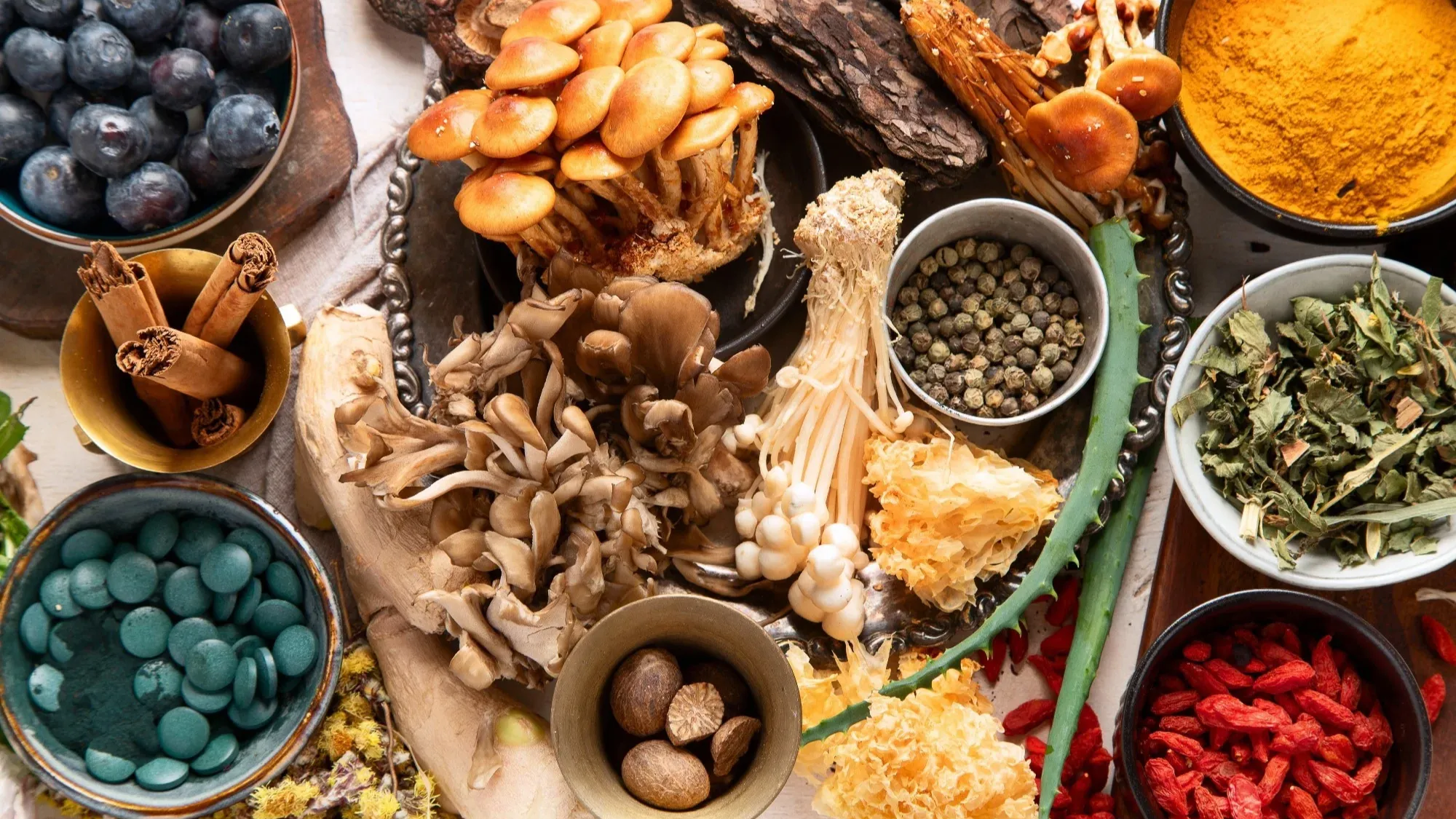
In the modern fitness landscape, we often talk about "pushing through" and "grinding," but we rarely talk about the biological cost of that effort. For the modern performer—the executive athlete balancing a board meeting with a barbell session—stress isn't just a feeling; it is a physiological state that can stall progress as effectively as a bad injury. While the supplement aisle is overflowing with capsules promising a "quick fix" for cortisol, the real revolution is happening in the kitchen. We are moving toward a more eclectic and integrated approach to wellness: Culinary Adaptogens.
Adaptogens are a specific category of healing plants—herbs, roots, and fungi—that help the body "adapt" to stressors. They don’t just mask symptoms or provide a temporary caffeine-like jolt. Instead, they work at a molecular level to regulate the hypothalamic-pituitary-adrenal (HPA) axis. If you think of your nervous system like a thermostat, adaptogens are the intelligent sensors that dial down the heat when your cortisol is redlining and provide a gentle lift when your energy is flagging.
By bringing these ancient botanical powerhouses into your daily meals, you transform the kitchen into a functional pharmacy. This isn't just about nutrition; it is about building a body that is resilient to the chaos of modern life.
The Science of Homeostasis: Your Biological Thermostat
To understand why cooking with adaptogens is superior to just popping a pill, we have to look at the concept of homeostasis—the body’s internal state of balance. Most substances we consume are "directional." For example, caffeine is a stimulant that pushes your heart rate and alertness up, regardless of whether you are already anxious. On the flip side, a sedative pushes your systems down, regardless of whether you are already lethargic.
Adaptogens are unique because they are "non-specific" and "bi-directional." This means they don't have a single target; rather, they support the entire system’s ability to return to center. When you are under chronic stress, your HPA axis stays "on," leading to elevated cortisol, suppressed immunity, and disrupted sleep. Adaptogens contain bioactive compounds like lignans, triterpenoids, and polyphenols that effectively "re-train" the HPA axis to turn off when the threat has passed.
From a trainer's perspective, this is vital for recovery. High cortisol is catabolic, meaning it breaks down muscle tissue and encourages the storage of visceral fat. By incorporating adaptogens into a client's diet, you are providing them with a physiological "buffer." You are helping them move from a sympathetic (fight or flight) state into a parasympathetic (rest and digest) state. This transition is where the actual "gains" happen.
Furthermore, many of these active compounds pair perfectly with the healthy fats and fibers found in whole foods. When you consume these herbs as part of a meal, you are often increasing their bioavailability. Fat-soluble compounds in roots like Ashwagandha are absorbed more efficiently when eaten with healthy fats like almond butter or salmon, allowing the body to process them in a more balanced, sustained way.
The Core Four: Your Functional Spice Rack
If you are new to this eclectic style of cooking, the names might sound exotic, but the flavors are deeply grounded and earthy. Here is a deeper look at the four heavy hitters every trainer should integrate into their routine:
1. Ashwagandha (The Grounder)
Known as "Indian Ginseng," this root is perhaps the most famous adaptogen for a reason. It is a powerhouse for reducing serum cortisol and improving sleep quality. Beyond just stress, research suggests it may support testosterone levels and muscle strength in men. It has a slightly bitter, earthy, and "musky" flavor. Because of its profile, it pairs beautifully with rich fats like almond butter, cacao, and warm spices like cinnamon and nutmeg. It acts as an anchor for your nervous system, making it ideal for that late-afternoon window when work stress starts to peak.
2. Holy Basil or Tulsi (The Balancer)
Known in Ayurvedic medicine as the "Queen of Herbs," Tulsi is much more than a simple garnish. It acts as a primary anti-aging botanical by protecting against oxidative stress and balancing blood glucose levels. For clients who struggle with "food noise" or sugar cravings driven by stress, Tulsi is a game-changer. Its flavor profile is complex—sitting somewhere between clove, peppermint, and traditional Italian basil. It is incredibly versatile, working in everything from refreshing chilled tonics to spicy stir-fries and herbal pestos.
3. Reishi (The Zen Master)
This "Mushroom of Immortality" is a functional fungus that behaves like a neurological reset button. Reishi contains peptidoglycans and triterpenes that support the immune system and promote a sense of calm. It is particularly effective at improving "Sleep Architecture"—the quality of your deep sleep cycles. It is quite bitter, which makes it a challenging ingredient for beginners, but that bitterness makes it the perfect partner for dark chocolate or savory, umami-rich broths. Think of it as your "evening insurance" for a good night’s rest.
4. Turmeric & Black Pepper (The Synergists)
While often labeled strictly as an anti-inflammatory, Turmeric is a potent adaptogen that helps the body manage systemic stress and joint health. The "eclectic" secret here is the synergy with black pepper. Curcumin, the active compound in Turmeric, is notoriously difficult for the body to absorb on its own. However, when you pair it with piperine (the active compound in black pepper), you increase its absorption by up to 2,000%. This duo is essential for the "Everyday Athlete" who needs to manage the physical stress of training alongside the mental stress of life.
The Shift to Functional Flavor
As trainers, we often teach clients to view food as "fuel," but we should also be teaching them to view it as "information." Every time we eat, we are sending a complex set of signals to our cells. When we incorporate adaptogens, we are sending a signal of safety and stability to our nervous system. We are telling our bodies that it is okay to stop hoarding energy (as fat) and start using it for repair and performance.
The goal isn't to overwhelm the palate with bitter roots but to layer these ingredients into the foods we already love. This is "stealth health" at its best. Start by adding a teaspoon of Ashwagandha to a morning smoothie or using fresh Tulsi in place of standard basil in a salad. As the body begins to respond to these subtle cues, your clients will likely find that their reliance on "fake" energy—like refined sugar and excessive caffeine—begins to drop away naturally.
By mastering the art of adaptogenic cooking, you aren't just a trainer; you are a longevity coach. You are giving your clients the tools to manage the stress that happens outside the gym so they can perform better inside the gym. This holistic approach is what separates a standard workout plan from a transformative lifestyle.
Beyond the Plate: The Lifestyle Connection
It is important to remember that while these herbs are powerful, they are part of a larger ecosystem of health. You cannot out-eat a lifestyle that ignores rest or proper movement. These culinary tools work best when paired with the other "Be Your Best Self" pillars we have discussed—like honoring your chronotype, practicing "soft tissue" awareness, and ensuring your gut health is driving your emotions in the right direction.
When you begin to experiment with these recipes, pay attention to how you feel 30 to 60 minutes after eating. This is what we call "Intuitive Biohacking." You might notice a subtle shift in your "inner weather." The edge of anxiety might soften, or that mid-afternoon brain fog might lift without the need for a third cup of coffee. That is the power of adaptogens at work.
As you share these concepts with your clients, emphasize that this is about "stacking wins." A healthy meal is one win; a healthy meal that also regulates your cortisol and protects your skeletal health is a double win. Use the recipes below to start your journey into functional, stress-busting cuisine.
The Stress-Busting Menu: 5 Adaptogenic Recipes
1. Ashwagandha-Spiced "Hustle" Bites
The ultimate mid-afternoon reset for the executive athlete.
Ingredients:
- 1 cup pitted Medjool dates
- 1/2 cup creamy almond butter
- 1/4 cup shredded coconut
- 1 tbsp raw cacao powder
- 1 tsp Ashwagandha powder
- 1/2 tsp sea salt.
Directions:
- Pulse the dates in a food processor until a thick paste forms.
- Add the almond butter, cacao, Ashwagandha, and salt. Process until combined.
- Roll into small balls and coat in shredded coconut.
- Refrigerate for at least 30 minutes before serving.
2. Holy Basil & Ginger Wild Salmon
A high-omega-3 dinner designed to sharpen focus and lower inflammation.
Ingredients:
- 2 wild-caught salmon fillets
- 1 cup fresh Holy Basil leaves (roughly chopped)
- 1 tbsp fresh ginger (grated)
- 2 tbsp avocado oil
- 1 tbsp tamari, juice of half a lime.
Directions:
- Whisk together the avocado oil, ginger, tamari, and lime juice
- Place the salmon in a baking dish and pour the marinade over the top
- Top generously with the chopped Holy Basil.
- Bake at 375°F for 12–15 minutes until the salmon is flaky and the herbs are fragrant.
3. Reishi-Infused Midnight Cocoa
A restorative nightcap to shut down "food noise" and prime the body for sleep.
Ingredients:
- 1 cup unsweetened cashew or coconut milk
- 1 tbsp raw cacao
- 1/2 tsp Reishi mushroom powder
- 1 tsp maple syrup (optional)
- a pinch of cinnamon.
Directions:
- Whisk all ingredients in a small saucepan over medium heat until steaming but not boiling.
- Use a hand frother for a latte-style finish.
*The rich chocolate and cinnamon perfectly mask the Reishi’s natural bitterness.
4. The Golden Recovery Stew
Post-workout fuel that uses Turmeric and black pepper to soothe the central nervous system.
Ingredients:
- 1 can full-fat coconut milk
- 1 cup red lentils
- 1 tsp Turmeric
- 1/2 tsp black pepper
- 1 diced sweet potato
- 2 cups vegetable broth
- 1 bunch kale (de-stemmed).
Directions:
- Sauté the sweet potatoes in a large pot until slightly softened
- Add the lentils, coconut milk, broth, Turmeric, and black pepper.
- Simmer for 20 minutes until the lentils are soft.
- Stir in the kale at the very end until just wilted.
5. Tulsi & Watermelon Hydration Cooler
A refreshing post-movement tonic to lower cortisol on hot days.
Ingredients:
- 4 cups cubed watermelon
- 1/2 cup fresh Holy Basil leaves
- juice of 1 lime
- a pinch of pink Himalayan salt.
Directions:
- Blend the watermelon and lime juice until completely smooth.
- Muddle the Holy Basil leaves at the bottom of a glass pitcher.
- Pour the watermelon juice over the basil and let it steep in the refrigerator for at least one hour.
- Strain before serving over ice.
Written by: L.R. Moxcey
