
Isometric Training Explained: How Holds Build Strength and Stability
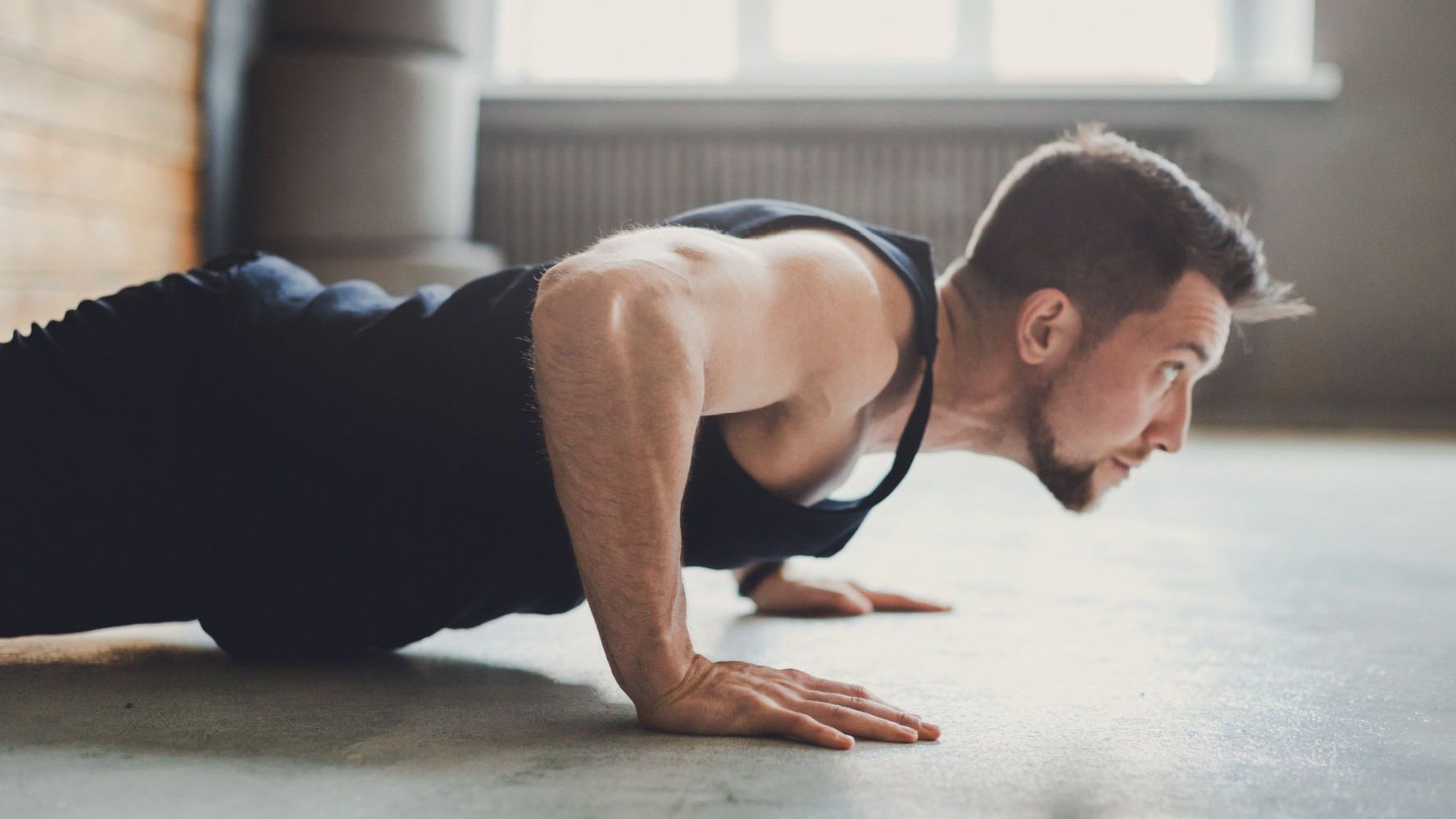
If you’ve ever held a plank and thought, “How is this harder than moving?” you’ve already felt the truth about isometrics: stillness can be brutal—in the best way.
Isometric training is simple on paper. You create muscle tension without visible movement. You hold a position and let your body do the work of staying organized. It doesn’t look flashy. It doesn’t come with that satisfying “rep count” momentum. But it trains something many people are missing, even when they’re strong: the ability to produce force and keep your structure intact while you do it.
That’s real-world strength.
Because outside the gym, strength isn’t just about lifting something once. It’s catching yourself before you fall. It’s carrying uneven bags without twisting. It’s staying stable when you pick up a squirmy kid, a heavy box, or a suitcase that’s trying to pull you off balance. It’s moving through fatigue without losing your alignment.
Isometrics train the foundation under the movement. They don’t replace lifting—they upgrade it. And for many people, they’re the missing link between “I can do the exercise” and “I can do it safely, consistently, and with confidence.”
What is an isometric, really?
An isometric contraction happens when a muscle generates tension but doesn’t change length.
That could be:
-
holding a plank
-
sitting in a wall sit
-
pausing at the bottom of a squat
-
holding a dumbbell at the top of a row
-
bracing hard during a carry
-
locking in your posture during a heavy lift
It’s not “rest.” It’s not “just a pause.” It’s a skill: staying strong without shifting, collapsing, or compensating.
If eccentric training teaches you to control the way down, isometric training teaches you to own the position—the moment where form is most likely to fall apart.
Why isometric strength matters more than people think
Many training plans focus on producing force: lift it, push it, pull it, jump it.
But force production is only half the story. The other half is force management—your ability to resist unwanted movement and maintain quality when things get challenging.
Isometrics help build:
Positional strength
This is strength at specific joint angles—like the bottom of a squat or the midpoint of a press. If you always fail in the same part of a lift, you don’t just need “more strength.” You often need strength right there.
Joint integrity under load
A lot of joint irritation isn’t about “weak joints.” It’s about movement strategies that leak stability. Isometrics teach your body to stack, brace, and stabilize.
Better bracing and core function
The core isn’t a muscle you train separately from movement. It’s how you transfer force from the ground to the rest of your body. Isometrics train that transfer without needing complicated choreography.
Tendon and connective tissue tolerance
Isometrics can load tissue without the repeated movement cycles that sometimes irritate sensitive joints. That’s part of why they’re used in return-to-training contexts. It’s not magic—it’s controlled exposure.
Confidence under pressure
This one is underrated. When someone learns they can hold a strong position—knees aligned, ribs stacked, shoulders stable—it changes how they approach every other movement. They stop “surviving” reps and start owning them.
Why “holding” works (without turning this into a textbook)
Isometrics teach the nervous system to recruit and coordinate muscle activity to maintain tension. They encourage your body to fire the right muscles at the right time to stabilize a position.
And because you’re not moving, you can often focus more effectively on:
-
alignment
-
breathing and bracing
-
joint stacking
-
where you feel the work
That focus matters. Many people aren’t lacking strength—they’re lacking coordination under load.
Isometrics help close that gap.
The big misconception: “Isometrics are only for beginners”
Isometrics are for everyone. They just look different depending on the person.
For beginners, isometrics teach awareness and stability without heavy loads or complex skill demands.
For advanced trainees, isometrics can:
-
strengthen sticking points
-
improve force transfer
-
build resilience at challenging joint angles
-
sharpen technique by reinforcing clean positions
If your form breaks down when you’re tired, isometrics can help. If you feel strong but unstable, isometrics can help. If your body feels “wobbly,” isometrics can help.
Where isometrics fit best in a workout
One of the reasons isometrics are so useful is they can be placed almost anywhere in a session. The trick is choosing the right placement for the right goal.
In the warm-up:
Short holds (5–15 seconds) to prime stability and wake up the right muscle groups. Great for bracing, glute activation, scap control, and balance.
Between strength sets:
Low-fatigue isometrics can reinforce posture and address weak links without adding a ton of volume. Think suitcase holds, dead bug holds, or scapular holds.
As a pause inside a lift:
Pauses are “sneaky isometrics.” A 1–3 second pause in a squat, press, or hinge can instantly improve control and reveal where you lose position.
As a finisher:
Longer holds (20–40 seconds) build endurance and tolerance. Great for carries, wall sits, plank variations, and split squat holds.
How long should you hold?
The best answer depends on your goal, but here’s a simple guide that works for most people:
5–15 seconds: technique, activation, posture priming
15–30 seconds: strength, tissue tolerance, position ownership
30–60 seconds: endurance, stamina, mental toughness
But here’s the key: don’t chase time at the expense of quality.
If your position falls apart—hips sagging, shoulders shrugging, knees caving—your hold is no longer training what you want.
A clean 20-second hold beats a sloppy 60-second hold every time.
A progression rule that keeps isometrics effective
If you want isometrics to keep working, progress them like you would any other strength tool. Just do it in the right order.
Progression options (in a smart sequence):
-
tighten position and alignment first
-
increase load or leverage second
-
add duration last
In other words: don’t turn everything into a “longer hold contest.” Make the hold more demanding before you make it longer.
The most useful isometric exercises (the ones that actually carry over)
You don’t need exotic variations. The best isometrics are usually basics done with precision.
Lower body
-
Wall sit (great for building knee tolerance and leg endurance)
-
Split squat hold (a powerhouse for hip stability, balance, and real-life strength)
-
Squat hold to a box or bench (teaches clean positioning under fatigue)
-
Calf raise hold (simple, effective, and ankle-friendly)
Upper body
-
Push-up holds (top, mid, or bottom depending on ability)
-
Overhead holds (light load with ribs stacked and shoulders stable)
-
Row holds (pause at peak contraction to teach scap control)
Core and carries
-
Dead bug holds (bracing + coordination that transfers to everything)
-
Side plank holds (if alignment stays clean and shoulder is comfortable)
-
Suitcase holds or carries (anti-lean strength that improves posture fast)
-
Farmer holds or carries (grip, trunk, and “don’t fold” strength)
Carries deserve special mention. They’re basically moving isometrics for the trunk—and one of the most useful types of strength work for daily life.
Isometrics for people with cranky joints or return-to-training phases
Isometrics can be a smart option when dynamic movement is irritating because you can control the joint angle and limit range while still building tension and tolerance.
That said, the goal is never to “power through pain.” Use discomfort as information.
A good rule of thumb:
-
mild discomfort that stays stable may be workable
-
sharp pain, radiating pain, or pain that worsens over days is a stop sign
When in doubt, scale the range, adjust the angle, reduce load, and choose positions that feel stable and strong.
The quiet lesson isometrics teach: stop negotiating your positions
Isometrics are humbling. They expose the places where you lose ownership—where your body starts bargaining.
You can’t bounce through an isometric. You can’t rely on momentum. You can’t hide from weakness by moving faster. You either hold a strong position…or you discover what needs attention.
And that’s exactly why they work.
If you want strength that transfers—not just strength that looks good on paper—train the positions inside the movement. Teach your body to stay organized under tension. Build strength you can trust when life gets unpredictable.
Sometimes the biggest upgrade doesn’t come from doing more reps.
It comes from learning how to hold your ground.
Written by: L.R. Moxcey
