
Real Superfoods: What to Buy and Why
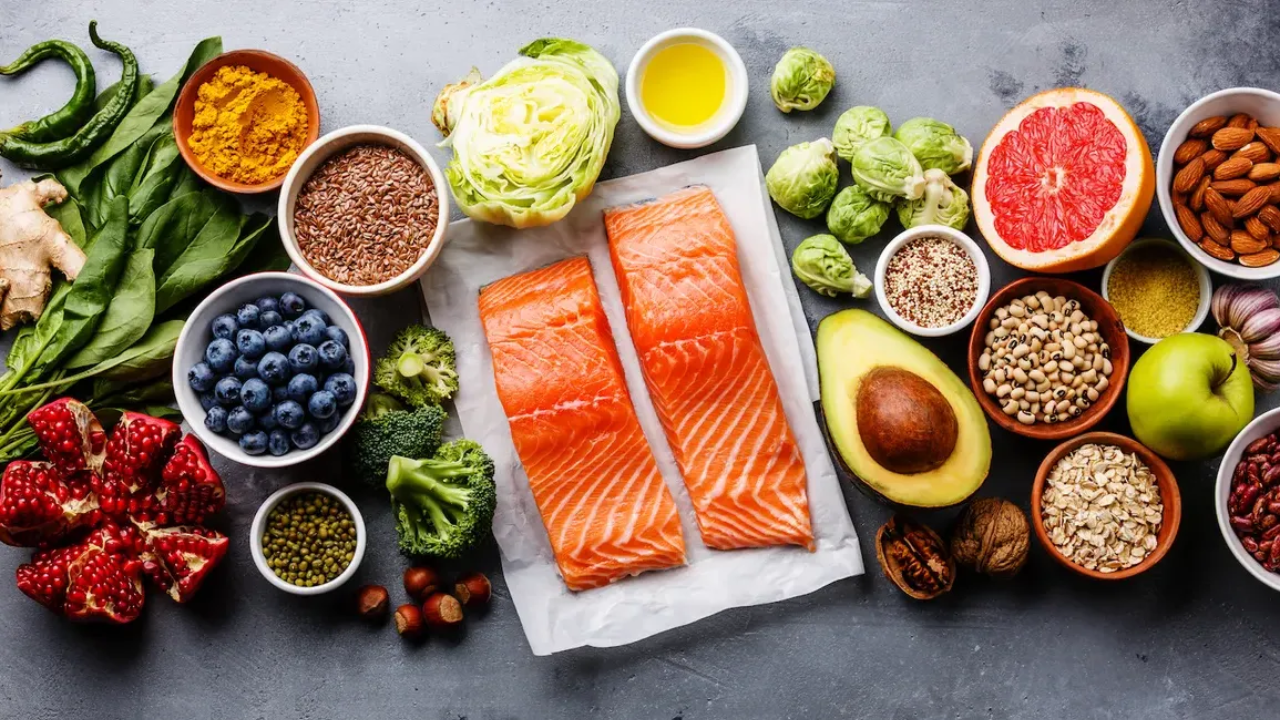
“Superfood” is one of those words that sounds useful until you watch how it’s used. It gets slapped on powders, berries, bars, blends, and “detox” anything—usually alongside miracle promises and a price tag that suggests the food itself is doing strength training in your bloodstream.
But there is a real idea underneath the hype. Some foods are genuinely nutrient-dense, recovery-friendly, and worth keeping in regular rotation. They aren’t magic. They don’t erase inconsistency. They don’t “boost metabolism” in the way marketing implies. What they do is much more practical: they make it easier to meet your body’s needs for energy, recovery, digestion, and performance—especially when your schedule isn’t perfect.
If we’re being honest, a superfood is simply a food that delivers a lot of benefit for the effort. It’s nutrient-dense, high-impact, easy to use, and affordable enough to repeat. That last part matters because the real superpower isn’t one ingredient—it’s consistency.
So let’s take the superstition out of the conversation and keep what’s useful: what’s worth buying, what’s actually in these foods, and why they’ve earned their reputation in the first place.
A helpful way to think about “superfoods” is by the job they do. Some are recovery foods. Some are gut-and-satiety foods. Some are training fuel. And a few are just simple “nutrient upgrades” you can add to meals without changing your routine.
For a fast, low-friction nutrient upgrade, berries are hard to beat. Blueberries, blackberries, raspberries—fresh or frozen—are rich in plant compounds called polyphenols (including anthocyanins, the pigments that give many berries their deep color). These compounds are often associated with antioxidant activity and overall health support. Berries also bring fiber and vitamin C, and they’re an easy add-on to foods people already eat: yogurt, oats, smoothies, even salads. Frozen berries are revealed as one of the most “real” superfoods because they’re affordable, last longer, and remove the pressure of “use them before they go bad.”
Leafy greens fall into the same category: huge benefit, low effort, and easy to repeat. Spinach, kale, arugula, mixed greens—choose what you’ll actually eat. Greens are nutrient-dense for their calorie load, providing things like folate and vitamin K, along with a range of carotenoids (plant compounds) and minerals that support overall function. The most underrated benefit of greens, though, is not a single vitamin. It’s volume. Greens make meals feel like meals. They add texture, bulk, and “real food” satisfaction, which helps appetite regulation without requiring restriction.
If berries and greens are your easy upgrades, beans and lentils are your quiet powerhouses. Legumes combine fiber, slow-digesting carbohydrates, and plant protein in a way few foods do. That combination supports steadier energy, better satiety, and a healthier gut environment—plus it makes meals more filling without relying on huge portions of calorie-dense foods. Practically, beans and lentils also make eating well easier because they’re cheap, shelf-stable, and flexible. You can toss them into salads, bowls, tacos, soups, or chili. Canned counts. If digestion is sensitive, start smaller and build up—your gut adapts to fiber like it adapts to training.
When it comes to recovery, protein anchors deserve “super” status because they actually change outcomes you can feel. Eggs are one of the most convenient examples. They provide complete protein (all essential amino acids) and nutrients like choline, and they’re a simple way to make a meal more supportive of training recovery. Greek yogurt is another staple for the same reason: high-quality protein in a form that’s fast, portable, and easy to pair with carbs and fruit. If someone says they “eat healthy” but their hunger is unpredictable and their recovery feels slow, the missing piece is often protein consistency—not another supplement.
And for people who train, carbs shouldn’t be treated like suspicious characters. Your body needs fuel to train well and recover well. That’s why oats and potatoes belong in a no-hype “superfoods” conversation. Oats are a reliable fiber-forward carb that many people tolerate well, and they contain beta-glucan, a unique type of fiber often linked to heart health markers and satiety. Potatoes are the most unfairly judged performance food in the grocery store. They provide carbohydrates that are actually useful for training, they’re satisfying, and they contain potassium, which supports normal muscle function and fluid balance. If you want meals that feel supportive instead of “diet-y,” potatoes paired with protein and vegetables are one of the easiest ways to get there.
Fatty fish—like salmon, sardines, and trout—is often described as a superfood for a reason: it’s a two-for-one. You get high-quality protein plus omega-3 fats (EPA and DHA), which are commonly associated with heart health and inflammation balance. Not everyone loves fish, and not everyone can buy salmon weekly. That’s okay. If it fits your budget and preferences, it’s a great rotation item. If it doesn’t, canned options can be a smart compromise. The point isn’t “eat salmon or fail.” The point is that some foods deliver multiple benefits at once, which makes them worth considering.
Nuts and seeds also fall into the “small but mighty” category. Chia and flax contribute fiber and plant-based omega-3s (ALA), and pumpkin seeds are especially useful for minerals like magnesium and zinc. But this is where the superstition creeps in: people hear “healthy fats” and forget portion awareness. Nuts and seeds are calorie-dense. That doesn’t make them bad. It just means they work best as a deliberate add-on—a sprinkle, a spoon, a small handful—rather than an unconscious habit.
Olive oil sits in a similar lane. Extra virgin olive oil contains monounsaturated fats and beneficial plant compounds, and it’s one of the easiest ways to make vegetables and simple meals taste better. That matters more than people admit. The “super” part of olive oil is that it helps meals become satisfying and repeatable. If a drizzle turns a “meh salad” into something you actually want, that’s not a minor win—that’s adherence.
Now for the other side of the superfood conversation: what you can stop buying if you don’t love it.
Most people don’t need expensive powders, exotic fruits, or “superfood blends” with tiny doses of everything. If you enjoy them and they fit your budget, fine. But if you only buy them out of guilt or hope, they don’t help. The most “effective” foods are the ones you actually eat often enough to matter. A bag of frozen berries that shows up in your bowl three times a week will outperform an expensive powder that sits on a shelf.
If you want an easy filter before you spend money, use these questions:
-
Will I eat this at least 2–3 times per week?
-
Does it make meals easier, not harder?
-
Does it solve a real need? (protein, fiber, training fuel, recovery, convenience)
-
Can I afford to repeat it?
-
Is there a cheaper version that works just as well (frozen, canned, store brand)?
That’s how you avoid superstition and build a “superfoods” list that actually supports your goals.
The biggest misconception is thinking superfoods are the base of your diet. They’re not. The base is boring: protein, produce, and purposeful carbs. Once that base is consistent, then you decorate—berries, seeds, greens, fish, herbs, spices, and the extras that make your diet nutrient-dense and enjoyable. If the base isn’t consistent, no amount of chia seeds is going to rescue it.
If you want to start today without overhauling anything, pick three staples you’ll actually eat this week and repeat them. Not ten. Three. For most people, the highest-impact trio is simple: berries, a protein anchor (eggs or Greek yogurt), and a fiber anchor (beans/lentils or leafy greens). That combination improves nutrient density, supports satiety, and makes training recovery easier—without superstition, stress, or a grocery bill that feels like a scam.
Because the real “superfood” strategy isn’t chasing trends. It’s building a routine you can keep.
Written by: L.R. Moxcey
