
The Architecture of the Foot: Why Your Shoes Are Changing Your Squat
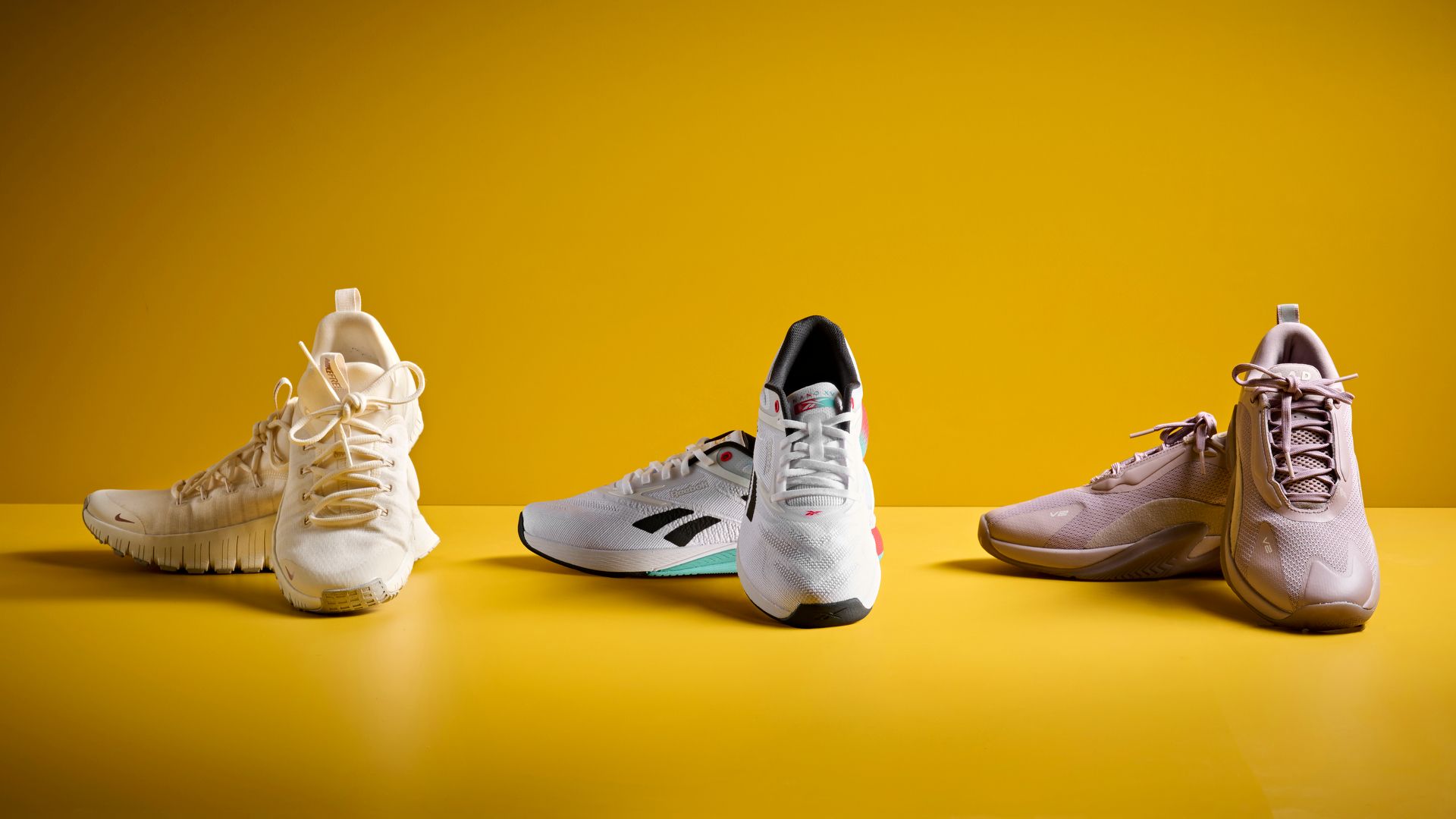
When we talk about lower-body power, we usually focus on the "big engines": the glutes, the hamstrings and the quads. We obsess over knee tracking and hip hinge mechanics, yet we often ignore the only two points of contact we have with the ground. Your feet are the literal foundation of every squat, deadlift and sprint you perform. If the foundation is unstable or "muted," the entire structure—no matter how strong the muscles above it—will eventually fail.
The human foot is an engineering masterpiece, consisting of 26 bones, 33 joints and over 100 muscles, tendons and ligaments. It is designed to be both a supple shock absorber and a rigid lever for propulsion. However, for most of our clients, the foot has become a "passive" structure, weakened by decades of wearing overly cushioned, narrow and rigid footwear. As a trainer, understanding foot architecture isn't just about "barefoot" trends; it is about restoring the primary kinetic link in the movement chain and unlocking the true force potential of the lower body.
The Tripod Foot: The Hidden Power Source
To understand foot architecture, we must first master the concept of the Tripod Foot. For maximum stability and power transfer, weight should be distributed across three primary points: the center of the heel, the base of the big toe (first metatarsal) and the base of the pinky toe (fifth metatarsal). When these three points are actively engaged with the ground, they create a stable vault—much like a stone bridge—that can support immense loads.
However, most modern training shoes feature a narrow "toe box" that squishes the toes together into a symmetrical point. This prevents the "splay" of the big toe, which is the primary stabilizer of the medial longitudinal arch. When the big toe cannot splay outward, the arch collapses, the ankle rolls inward (pronation) and the knee follows. This is often where "valgus collapse" in a squat begins. It isn't always a sign of weak glutes; often, it is a sign of a "collapsed" tripod. If the big toe isn't anchored, the brain cannot effectively signal the glutes to stabilize the hip.
The Windlass Mechanism: Nature’s Pulley System
One of the most fascinating aspects of foot architecture is the Windlass Mechanism. This is a biological pulley system involving the plantar fascia—the thick band of tissue running along the bottom of the foot. When you pull your big toe upward (extension), it tightens the plantar fascia, which naturally lifts the arch and packs the bones of the foot into a rigid, stable structure.
In a functional squat, as you drive your big toe into the floor, you are engaging this mechanism to create a "stiff" foot that can transfer force from your legs into the earth. Modern shoes with "toe spring"—those where the front of the shoe curves upward—keep the toes in a constant state of extension. While this helps with rolling forward during a walk, it "short-circuits" the Windlass Mechanism during a lift. The foot becomes a soft, unstable platform rather than the rigid lever it was designed to be.
Proprioceptive Muting: The Brain-Ground Gap
The soles of our feet are among the most nerve-dense areas of the human body. They are packed with mechanoreceptors designed to send real-time data to the brain regarding texture, pressure, temperature and position. This is known as proprioception. When the brain receives clear data from the feet, it can accurately adjust muscle tension in the legs and core to maintain balance and produce power.
When a client squats in a "maximalist" shoe with 30mm of foam, they are experiencing proprioceptive muting. The brain is essentially trying to read braille through a winter glove. Because the surface is "mushy," the nervous system perceives an unstable environment and, as a safety measure, actually down-regulates force production. The body will not let you produce maximum power if it doesn't feel stable at the point of contact. By moving toward a flatter, more "anatomical" shoe—or even training in socks—you instantly clear the signal between the ground and the motor cortex.
The Cushioning Paradox and Joint Health
It seems counterintuitive, but more cushioning does not always lead to safer joints. When the foot is encased in a soft, thick sole, it loses its ability to function as a "sensing" organ. To compensate for the lack of "feel," the body often strikes the ground harder to find stability. This is why many runners in highly cushioned shoes actually experience higher vertical impact forces than those in minimalist footwear.
Furthermore, when the arch is supported by a shoe's "medial post" or "orthotic," the intrinsic muscles of the foot (like the abductor hallucis) begin to atrophy. Much like putting an arm in a cast, the foot becomes weak and dependent on the external structure. This leads to a "lazy" foot that cannot stabilize the ankle, which in turn places excessive lateral stress on the knee and hip. To fix a client's knee pain, you often have to start by "waking up" the sole of their foot.
Restoring the Foundation: A Trainer’s Guide
Transitioning a client out of restrictive footwear must be handled with care. You cannot take someone who has worn "heeled" running shoes for 20 years and put them in a barefoot shoe for a heavy squat session without risking a metatarsal stress injury. Here is a safer, more eclectic approach to restoring foot architecture:
1. The Big Toe Isolation Drill
Have your client stand barefoot. Ask them to lift only their big toe while keeping the other four toes pressed into the floor. Then, have them press the big toe down while lifting the other four. If they cannot do this, it’s a sign of "hallux" dysfunction. This neural disconnect is often the root cause of poor balance and weak glute recruitment.
2. The "Short Foot" Exercise
Teach the client to "shorten" their foot by drawing the ball of the foot toward the heel without curling the toes. This activates the arch muscles and creates a rigid tripod. Have them maintain this "active foot" during their warm-up sets of squats or lunges.
3. Footwear Education: The "Foot-Shaped" Shoe
Advise clients to look for shoes with a "wide toe box"—where the shoe is widest at the toes, not the ball of the foot. This allows for natural toe splay and prevents the big toe from being pushed into a "bunion" position (hallux valgus). A "zero-drop" shoe (where the heel and forefoot are at the same height) can also help restore natural Achilles tendon length and ankle mobility.
4. Proprioceptive Warm-ups
Begin every session with 5 minutes of barefoot balance work. Single-leg stands, "around the world" toe touches or even light kettlebell carries without shoes will "prime" the nervous system. By the time the client puts their shoes on for the heavy work, their brain will be much more "plugged in" to their foundation.
Reclaiming the Ground Up
By addressing the architecture of the foot, you aren't just preventing bunions or plantar fasciitis; you are unlocking the true power of the entire kinetic chain. When the foot is strong, the squat is stable, the knees are safe and the glutes are fully engaged. As trainers, we must remember that movement doesn't start at the hips or the core—it starts where the body meets the earth.
Encourage your clients to reclaim their foundation. It may take time to rebuild the strength of those 100+ muscles and ligaments, but the reward is a body that is more powerful, more resilient and truly capable of performing at an elite level. This shift in focus—from the shoes to the feet—is often the missing link between a plateau and a personal best.
Written by: L.R. Moxcey
