
The Lymphatic Pump: The Most Overlooked Waste Management System in Fitness
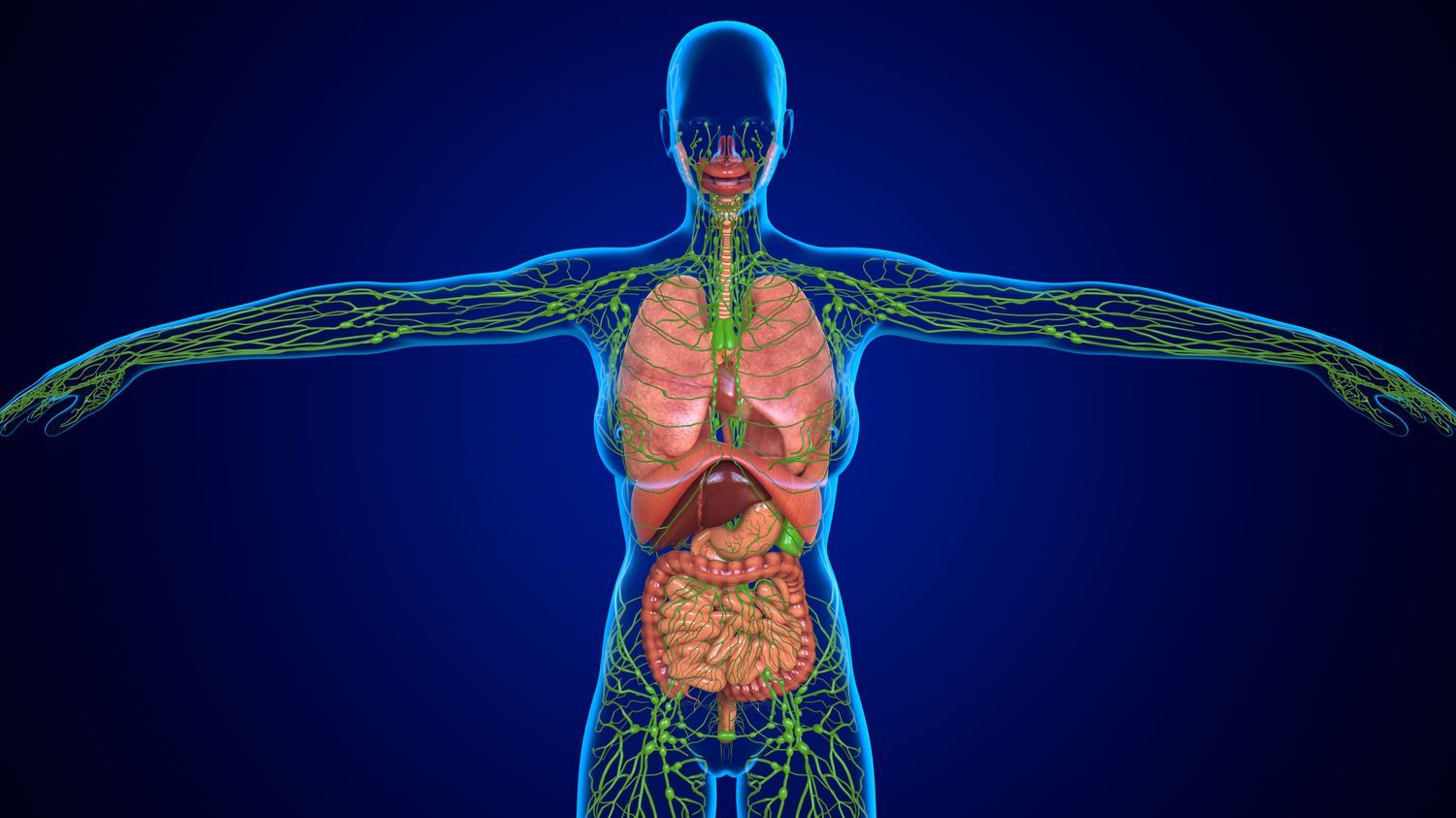
When designing a fitness or recovery protocol, we naturally focus on our internal plumbing. We analyze the cardiovascular system, tracking heart rate zones and blood flow delivery to working tissues. We focus on training the muscular and nervous systems to handle heavier loads or generate explosive speed.
However, your body houses an entirely separate vascular infrastructure that is routinely ignored in standard training models. This hidden network is the lymphatic system.
While your cardiovascular system has a dedicated mechanical engine to pump blood through your body, your lymphatic system has no central pump. It is a massive, passive fluid network that relies entirely on your physical movement to operate. If you do not actively practice proper lymphatic hygiene through movement, your body struggles to clear metabolic waste, leading to systemic puffiness, delayed recovery and chronic joint stiffness.
The Physiology of Cellular Trash Collection
To understand why the lymphatic system dictates your recovery speed, you must look at what happens to your tissues during a workout. Every time you lift a weight, run a stride or push your cardiovascular limits, your cells consume fuel and generate metabolic byproducts.
At the same time, the high pressure of your blood vessels forces fluid out into the interstitial space, which is the fluid-filled gap between your cells. This fluid carries cellular debris, damaged proteins and inflammatory molecules resulting from exercise-induced muscle damage.
This is where the lymphatic system steps in. It functions as your body’s internal waste management and filtration system. First, specialized lymphatic capillaries siphon up this stagnant interstitial fluid, now called lymph, along with the trapped metabolic trash.
Second, the lymph fluid is transported through a network of vessels up toward your chest, passing through hundreds of lymph nodes that filter out cellular waste and pathogens. Third, the purified fluid is dumped back into your main bloodstream near your neck, maintaining proper blood volume and systemic fluid balance.
If this waste management loop is sluggish, the metabolic garbage remains trapped in your tissues. This fluid stagnation creates localized swelling, increases pressure on surrounding pain receptors and contributes to prolonged muscle soreness.
The Passive Network: Why You Are the Pump
The fundamental difference between your blood vessels and your lymphatic vessels is the presence of a motor. Your heart beats over one hundred thousand times a day, automatically forcing blood down to your toes and back up to your chest, even if you spend the entire day sitting in an office chair. Your lymphatic system possesses no such engine. The vessels contain microscopic one-way valves that prevent fluid from flowing backward, but they require external physical compression to push the fluid forward.
Your skeletal muscles are the actual pump for this system. Every time a muscle contracts and relaxes, it acts like a physical piston, squeezing the adjacent lymphatic vessels and driving the waste-filled fluid up toward the filtration nodes.
When you follow a rigorous training session with hours of sedentary desk work, your lymphatic pump completely shuts down. The fluid pools in your lower extremities, causing tight calves, stiff ankles and heavy legs. Passive rest on a couch does not accelerate recovery; it stalls your waste removal infrastructure.
The Fallacy of Passive Recovery
Fitness culture has fostered a persistent myth that the best way to recover from an intense workout is to do absolutely nothing. We assume that lying completely still on a recovery day allows the body to heal faster.
From a lymphatic standpoint, passive resting is counterproductive. While your muscles need a break from heavy structural loading, your lymphatic system requires a continuous physical stimulus to clear out the cellular debris left behind by that training.
This is why active recovery is vastly superior to passive rest. Low-intensity movement keeps the lymphatic pistons firing without adding further structural damage to your muscle fibers. By shifting from a mindset of absolute rest to a practice of deliberate, low-stress movement, you clear the metabolic slate much faster, allowing you to return to heavy training with a fresh, highly responsive physical frame.
Activating the Waste Management Grid
Fostering optimal lymphatic flow requires moving beyond random stretching. Your movement selection must target the highest concentrations of lymph nodes and leverage the body's natural pressure systems:
-
Utilize the Diaphragmatic Siphon: The largest lymphatic vessel in the human body is the thoracic duct, which runs straight through your chest and abdomen. Deep, diaphragmatic breathing creates an immediate pressure change in your thoracic cavity, acting like a massive internal vacuum that pulls lymph fluid from your lower extremities up toward your neck. Spending five minutes practicing deep belly breathing post-workout instantly jumpstarts your internal cleanup.
-
Engage in Vertical Rebounding: Because lymphatic valves point upward toward the heart, vertical acceleration and deceleration force the system to clear fluid efficiently. Incorporating light jumping rope, jumping jacks or simple heel drops, where you lift up on your toes and drop your heels firmly to the floor, uses gravity to rapidly flush the lymphatic pathways.
-
Prioritize Multi-Joint Mobility Flow: The highest concentrations of lymph nodes are located in your major joint creases, specifically your groin, armpits and neck. Performing deep bodyweight squats, arm circles and thoracic rotations gently compresses these nodal clusters, acting like a manual massage that clears localized fluid blocks.
Engineering a Fluid Frame
True fitness is just as much about what you clear out as what you put in. You can optimize your nutrition and train with immense intensity, but if your body is swimming in its own metabolic waste, your progress will inevitably plateau.
By recognizing that you are the physical engine behind your lymphatic system, you can stop treating recovery as a passive event. Use your muscles to power your internal waste disposal, keep your cellular pathways clean and build a body that recovers as fluidly as it moves.
Advance Your Recovery and Movement Architecture
Mastering the internal waste disposal systems of the human body requires a sophisticated blend of anatomy, recovery science and movement therapy. To take your coaching expertise to an elite level, explore how our specialized certifications directly equip you with these advanced tools:
-
Sports Medicine Specialist: Learn the deep cellular science of tissue inflammation, injury management and physiological healing, allowing you to build clinical-grade recovery protocols that address lymphatic congestion and metabolic stress.
-
Functional Anatomy: Master the exact structural locations of the body's primary lymph node clusters in the groin, armpits and neck, giving you the anatomical blueprint to target the correct tissues during movement.
-
Flexibility Specialist: Discover how to design multi-joint mobility sequences, passive stretches and compression flows that physically activate the muscle pistons needed to pump metabolic waste out of sluggish joints.
Whether you want to accelerate athletic rehabilitation, map out intricate kinetic pathways or engineer precision mobility flows, our comprehensive certifications provide the elite credentials needed to unlock the human body's full potential.
Written by: L.R. Moxcey
