
The Performance Plate: Fuel Training Without Tracking
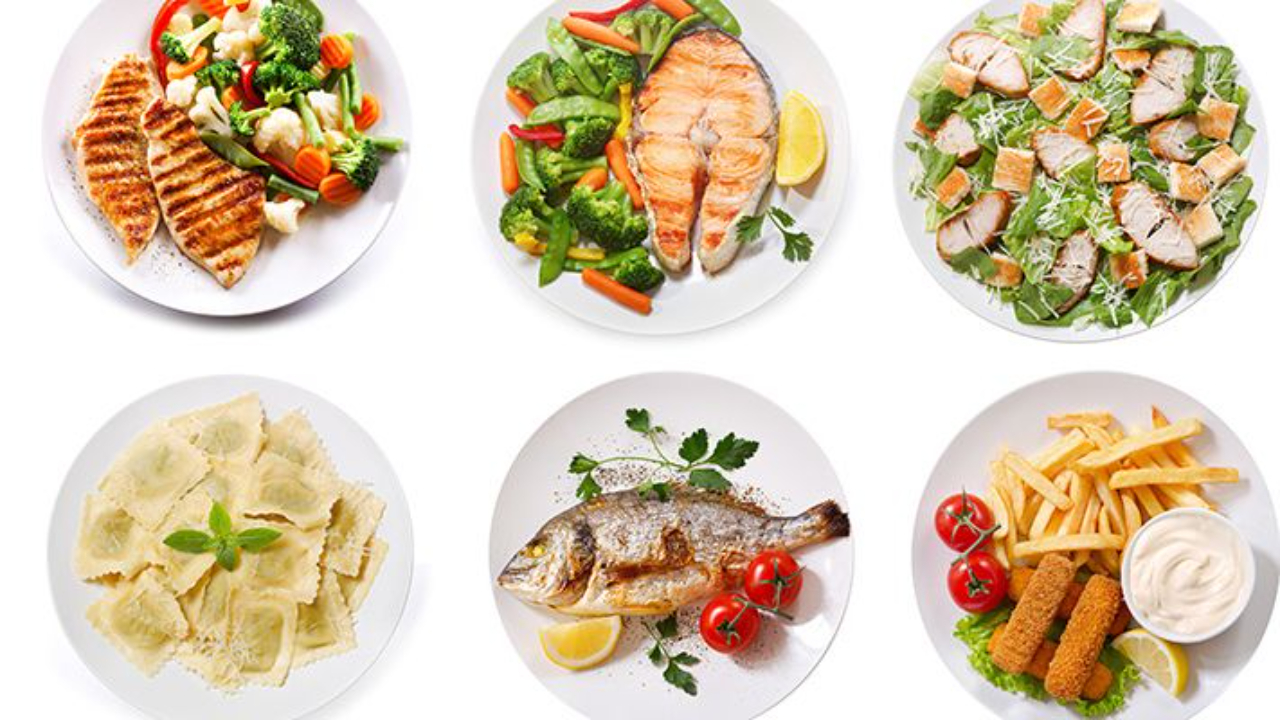
Most people who try to “eat for their goals” get pushed into one of two corners: track everything forever or wing it and hope for the best. Real life doesn’t fit either option—especially if you train, have a job, manage stress, travel, or cook for other humans. You want food that supports energy, performance, recovery, and body composition… without turning every meal into math homework.
That’s what the Performance Plate is for.
It’s a simple, repeatable way to build meals that fuel training using visual portions and real food—no calorie counting, no macro spreadsheets, no perfection required. You’ll still be intentional. You’ll just be intentional in a way you can sustain when life gets busy.
This is the heart of a Real Food Reset: not “eating clean,” but eating consistently enough that your body gets what it needs—and simply enough that you don’t burn out trying to do it perfectly.
What the Performance Plate actually is
The Performance Plate is a template. Every meal covers four jobs your body needs food to do:
-
Repair and build (protein)
-
Fuel work (carbohydrates)
-
Support hormones and satiety (fats)
-
Provide volume, fiber, and micronutrients (produce)
Instead of chasing a perfect macro ratio, you build a plate that reliably covers those jobs. If you train, that matters because training is a stress you choose. Food decides whether that stress becomes progress—or just fatigue.
And the plate isn’t rigid. It’s adjustable. You scale it up on harder training days, scale it down when activity is lower, and tweak it based on your goal—all without tracking.
How to build it (the simplest version)
Start with this visual structure:
-
Protein: ¼ to ⅓ of your plate
-
Carbs: ¼ to ⅓ of your plate (bigger on training days)
-
Produce: at least ⅓ of your plate
-
Fats: a small add-on (a drizzle, a spoon, a sprinkle)
If you prefer hand portions because plates vary (and restaurants love giant plates), use this:
-
Protein: 1–2 palms
-
Carbs: 1–2 cupped hands
-
Produce: 1–2 fists
-
Fats: 1–2 thumbs
You don’t need to measure perfectly. The win is “close enough, consistently.” That’s where results live.
Why this works without tracking
Tracking works for some people, but many people don’t need it to get strong results. The Performance Plate works because it locks in the biggest drivers of performance and body composition without requiring constant calculation.
- Protein becomes automatic.
Protein is the most common missing piece for active people. Anchoring each meal with a real protein portion supports muscle repair, protects lean mass during fat loss, and helps meals actually satisfy you. - Carbs become purposeful instead of feared.
Carbs aren’t a moral category. They’re fuel. When people train hard but unintentionally eat low-carb, it often shows up as flat workouts, slower recovery, and cravings that hit later (usually at night when willpower is tired). The Performance Plate keeps carbs in the plan, and it teaches you to match them to training. - Produce becomes your “volume and consistency” lever.
Produce makes meals feel like meals. It adds fiber, micronutrients, and fullness—helping you feel satisfied without needing extreme restriction or constant snacking. - Fat becomes a satiety tool, not a free-for-all.
Fats support hormones and make meals enjoyable, but they’re also calorie dense. A consistent “add-on” portion keeps fat supportive without quietly crowding out what you need for training.
Adjusting the plate to match your goal (without starting a new diet)
You don’t need a whole new eating style for every goal. You need the same plate with different emphasis.
If your goal is strength or muscle gain, keep protein steady and make carbs more generous around training. Most people who struggle to gain aren’t missing effort—they’re missing recovery resources. Slightly bigger portions on training days can make a noticeable difference.
If your goal is fat loss without losing strength, protein stays anchored and produce stays high. Carbs are still included, but you tighten the portion on rest days and place most carbs closer to training. Fat stays moderate—enough to feel satisfied, not so much it turns into accidental surplus.
If your goal is recomposition (leaner + stronger), consistency matters more than extremes. Use a simple two-mode approach: a training-day plate (more carbs) and a rest-day plate (slightly fewer carbs, slightly more produce). Keep protein stable in both modes.
If your goal is endurance or high training volume, carbs become more important. Under-fueling often shows up as persistent fatigue, poor recovery, and workouts that feel harder than they should. The plate still works—you just scale the carb portion up to match output.
Training day vs rest day: one simple shift
Instead of changing your entire diet, change one dial.
On training days:
-
Protein stays consistent
-
Carbs increase (especially in the meal before and after training)
-
Produce stays present, but you may choose easier-to-digest options around workouts
On rest or lighter days:
-
Protein stays consistent
-
Carbs decrease slightly
-
Produce stays high
-
Fats can increase slightly if you reduced carbs and want more satisfaction
This isn’t a strict rule. It’s a default that helps most people feel better quickly because fuel matches output.
Timing, without obsession
You don’t need to eat like a pro athlete to benefit from basic timing. Two simple habits cover most of what matters:
First, don’t train completely empty unless you truly prefer it. Many people perform better with a small amount of fuel—especially if workouts are intense or longer. A simple option can be a banana, toast, yogurt, or a small smoothie.
Second, eat a real meal after training. It doesn’t have to be immediate, but try not to “forget to eat” for hours and then crash into cravings later. A balanced plate with protein and carbs supports recovery and keeps appetite steadier.
“Real food” doesn’t mean “perfect food”
Real food means most of what you eat comes from recognizable ingredients: proteins, grains, legumes, fruits, vegetables, dairy (if tolerated), nuts, seeds, and oils. It does not mean you need to cook everything from scratch.
The Performance Plate works beautifully with convenience foods: frozen vegetables, bagged salads, rotisserie chicken, canned beans, microwave rice, yogurt, pre-cut fruit, and sauces that make food enjoyable. Consistency beats culinary ambition.
Performance Plate examples for real life
On a training day, a bowl might look like: a protein base (chicken, tofu, beans), a carb base (rice, potatoes, pasta), plenty of vegetables, and a small fat add-on (olive oil, avocado, tahini).
On a rest day, that same bowl might keep protein the same, keep vegetables high, and slightly reduce the carb portion while keeping the meal satisfying with a bit more fat if needed.
For grab-and-go, think “protein + produce + supportive carb”:
-
Greek yogurt + fruit + granola or oats
-
A deli-style salad with chicken + a roll or rice cup
-
A protein smoothie plus a piece of fruit and a handful of nuts
For vegetarian plates, it’s the same structure:
-
Greek yogurt or cottage cheese, eggs, tofu, tempeh, beans, lentils
-
Pair with grains or potatoes on training days
-
Add vegetables and a fat add-on like olive oil, nuts, or seeds
The restaurant version (so you don’t feel ambushed)
Restaurants don’t need a complicated strategy. Use a simple build:
-
Choose a clear protein
-
Add a carb you can control (especially if it’s a training day)
-
Add vegetables somewhere
-
Avoid double-stacking fats (fried + creamy sauce + extra cheese) unless you’re intentionally choosing that
One meal doesn’t decide your results. Your weekly pattern does.
Trainer tip: how to coach this without micromanaging
If you’re a trainer guiding clients, this template works because it reduces friction. A few easy coaching moves make it stick:
-
Ask clients to “anchor protein” at each meal first. That alone improves satiety and recovery for most people.
-
Use the training-day vs rest-day dial rather than prescribing a rigid plan.
-
Have clients take one week to simply “build the plate” without changing foods—just adjusting portions.
-
Use a simple check-in: energy during training, hunger late-day, and recovery. Those three signals tell you if the plate is working.
The goal is not compliance. The goal is consistency.
The Performance Plate in one sentence—and your next step
Build every meal around protein, add carbs based on training, pile on produce for volume and nutrients, and use fats intentionally for satisfaction.
Your next step is simple: try it for seven days. Don’t aim for perfect. Aim for repeatable. If your energy is steadier, workouts feel better, and cravings calm down, you’ll know you’ve found a structure you can keep—without tracking a single thing.
Written by: L.R. Moxcey
