
Train Younger: What Biological Age Testing Means for Longevity
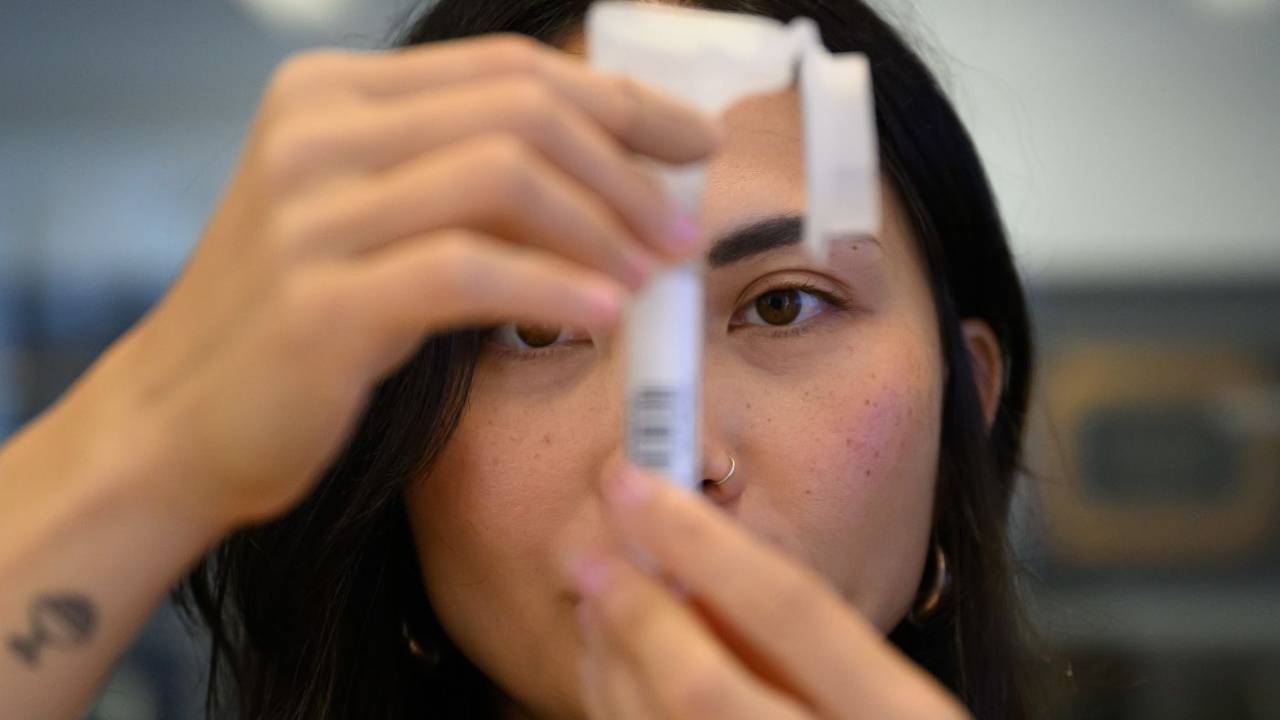
Rethinking Aging, Performance, and Health Through a New Lens
What if your real age isn’t what your driver’s license says?
In today’s evolving fitness culture, there’s a shift from focusing on how many birthdays you’ve celebrated to how well your body is actually aging. It's not about the candles on your cake—it's about the state of your cells, your cardiovascular system, and your recovery capacity.
Welcome to the world of biological age testing—a set of tools that look beyond the calendar and ask: How old are you, really?
Whether through epigenetic testing, inflammation markers, or something as simple as VO₂ max and grip strength, these insights are reframing how we view training, longevity, and what it means to live—and move—well for decades.
As this field gains traction, fitness professionals aren’t just along for the ride. They’re uniquely positioned to help clients interpret the data, shape sustainable habits, and stay grounded in what actually works.
What Is Biological Age, and Why Does It Matter?
Biological age reflects the condition and performance of your body’s systems—how well your organs, tissues, and cells are functioning. Unlike chronological age, which only moves forward, biological age can speed up, slow down, or even reverse, depending on how you live.
The most common tools used to calculate biological age include:
-
Epigenetic clocks – measuring DNA methylation patterns, which reflect how your environment and behaviors are affecting gene expression
-
Telomere length – telomeres shorten with stress and aging, so their length can predict risk of chronic disease
-
Blood biomarker panels – including inflammation markers (CRP), glucose regulation, lipid profiles, and hormone balance
-
Performance-based indicators – like VO₂ max, walking speed, balance tests, and grip strength
Taken together, these tools help paint a picture not just of lifespan, but healthspan—how long you’ll live with quality of life and physical independence.
Where Fitness and Longevity Science Intersect
Biological age is influenced heavily by the same pillars fitness professionals already prioritize: movement, nutrition, sleep, and stress regulation.
For example, VO₂ max—the maximum amount of oxygen your body can use during intense exercise—isn’t just a performance metric. It’s also one of the strongest predictors of all-cause mortality. A person with high VO₂ max may have a biological age that reads 10 years younger than their chronological one.
Similarly, grip strength and walking speed aren’t just markers of athleticism—they’re correlated with independence in aging, fall risk, and even cognitive decline.
Let’s say you’re working with a 52-year-old client. They’ve been training consistently, eating well, and sleeping better than ever. After getting a full biomarker and fitness profile, they learn their biological age is 44. The validation they feel? Huge. But more importantly, it reinforces that their habits work.
And if the results weren’t what they hoped for? That becomes a powerful motivator, too. You now have a baseline to adjust training, recovery, or nutrition with even more purpose.
Why Some People Are Turning to Testing
Biological age testing is gaining momentum because it promises personalized insight in an age of generic advice. Instead of asking, “What should a 40-year-old eat or lift?” these tools ask, “How is your body responding to what you’re doing?”
Here’s what draws people in:
-
Clarity – Testing can spotlight hidden inflammation or stress before it becomes a health crisis.
-
Motivation – Seeing a measurable improvement in biological age after 6 months of lifestyle change? It’s a huge psychological win.
-
Customization – Coaches and clients can use data to fine-tune sleep strategies, adjust training volume, or support hormonal health more precisely.
-
Accountability – Regular check-ins on biological age can act as checkpoints for habit quality and consistency.
And this isn’t limited to high-tech labs anymore. Fitness wearables like WHOOP and Garmin, as well as services like InsideTracker or Elysium, are building longevity algorithms right into their dashboards.
What to Watch Out For
Still, not all that glitters is longevity gold.
While testing can empower behavior change, it can also mislead or overwhelm without proper context. Some platforms offer biological age estimates based on loose or proprietary algorithms. Others may present data without the nuance needed to interpret it wisely.
And there’s the psychological risk: chasing a “younger” score can create anxiety or perfectionism, leading people to fixate on numbers instead of how they feel and function.
Cost is also a factor. Comprehensive panels and epigenetic tests can run several hundred dollars—a barrier for many.
As a coach or trainer, your role isn’t to become a longevity lab tech. It’s to help clients use data constructively, not obsessively. That means knowing when to trust a test—and when to focus on the fundamentals that matter regardless of results.
What Actually Moves the Needle
The beauty of this science is that it doesn’t upend the basics—it confirms them. The most reliable ways to lower biological age (and feel better doing it) are things you’re probably already recommending:
-
Train your heart and lungs – VO₂ max is one of the most potent indicators of lifespan
-
Build and maintain strength – Muscle mass protects mobility, metabolism, and bone health
-
Prioritize recovery – Deep, consistent sleep and nervous system regulation repair the damage done during training
-
Eat to lower inflammation – Whole foods, fiber, and omega-3s beat any supplement or detox trend
-
Protect your mental health – Chronic stress is aging. Full stop. Breathwork, social connection, and mindfulness matter
-
Stay consistent – What you do daily always beats what you do for 30 days
The real takeaway? You don’t need a $300 report to earn a younger biological age—you just need to do the work, consistently, in a way that’s sustainable and self-respecting.
The Bigger Picture: Beyond the Numbers
The rise of biological age testing invites a broader shift in how we define fitness. It’s not just about lifting heavier or running faster—it’s about staying active, adaptable, and healthy long into the future.
Fitness professionals are in a unique position to guide this shift. You’re already translating complex programs into actionable steps. This is just one more layer—one that can deepen client trust, enhance motivation, and reframe what progress looks like.
Instead of asking, “Can you lose 10 pounds?” we start asking:
-
Can you recover faster?
-
Move more confidently?
-
Show up for your life more fully?
These are the outcomes that build true, lifelong health.
You Don’t Need a Lab to Build Longevity
If clients want to test their biological age, great. Help them understand what it means—and what it doesn’t. But don’t forget: movement, nutrition, sleep, connection, recovery—these are still the most powerful age-reversing tools available. They don’t require a swab or a screen. They just require intention. Longevity isn’t measured in numbers. It’s measured in energy, independence, and how you feel showing up—decade after decade—for the life you’re building.
Written by: L.R. Moxcey
